Amazing trip to thailand
Itinerary
|
|
What is the best time to visit Jim Corbett National Park?
The best time to visit Jim Corbett National Park is from November to June, as the park is fully open and offers excellent wildlife viewing opportunities. However, the summer months are ideal for spotting tigers, while winter is perfect for birdwatching.
How can I book a Jim Corbett tour package?
You can book a Jim Corbett tour package online through travel websites or directly with tour operators specializing in Uttarakhand tourism. Packages often include accommodation, safari permits, and meals.
What is included in a typical Jim Corbett tour package?
Most Jim Corbett tour packages include accommodation, meals, jeep safaris, a guide, and transfers to and from nearby cities. Some packages may also offer activities like nature walks and sightseeing.
How many days are ideal for a Jim Corbett tour?
A 2 to 3-day tour is ideal for exploring Jim Corbett National Park. This duration allows you to experience multiple safaris, relax in the scenic surroundings, and explore nearby attractions.
Are there specific zones for safaris in Jim Corbett National Park?
Yes, the park is divided into several zones for safaris, including Dhikala, Bijrani, Jhirna, Dhela, and Durga Devi. Each zone offers unique landscapes and wildlife experiences.
Can I spot a tiger in Jim Corbett National Park?
Tiger sightings are possible in Jim Corbett, particularly in the Dhikala and Bijrani zones, known for higher tiger populations. However, sightings depend on luck and time of year.
What types of accommodation are available near Jim Corbett?
You can find a variety of accommodations near Jim Corbett, ranging from luxury resorts to budget-friendly hotels and jungle lodges. Many offer nature-centric experiences and activities.
Is it safe to visit Jim Corbett National Park?
Yes, it is safe to visit the park as long as you follow the guidelines provided by park authorities and your safari guide. Avoid stepping out of vehicles during safaris and follow safety instructions.
Are Jim Corbett tour packages suitable for families with kids?
Yes, Jim Corbett tour packages are family-friendly. Many resorts have activities for children, and the safaris provide an educational and exciting experience for kids.
Can I customize a Jim Corbett tour package?
Yes, most tour operators allow you to customize packages based on your preferences. You can choose specific zones for safaris, upgrade accommodations, or include additional activities like trekking or river rafting.
Jim Corbett National Park is one of India’s most famous wildlife destinations. Located in Uttarakhand, this beautiful forest is perfect for nature lovers, adventure seekers, and families looking for a peaceful holiday. Known for its rich wildlife, calm rivers, dense forests, and scenic landscapes, Corbett gives every visitor a special experience.
The park is India’s oldest national park, named after the legendary hunter and conservationist Jim Corbett, who played a major role in protecting tigers. Today, it is part of Project Tiger and a safe habitat for Bengal Tigers, elephants, deer, exotic birds, and many other animals.
Whether you are planning a Jim Corbett tour package for a wildlife adventure, a relaxing getaway, or a mix of both, this destination has everything you need.
Jim Corbett is famous for its exciting jungle safaris, peaceful environment, riverside resorts, and scenic picnic spots. It is also one of the best places in India for wildlife photography. The fresh mountain air, dense sal forests, and clear water streams make it a refreshing break from city life.
Families, couples, solo travellers, and groups—everyone enjoys the calm and natural charm of Corbett.
Below are the most popular places to visit in Jim Corbett. These spots must be included in your Corbett sightseeing tour.
1. Corbett Waterfall
One of the most beautiful attractions in the region, Corbett Waterfall, is located in the middle of dense forest. The sound of the waterfall, peaceful walking trails, and the calm atmosphere make it a perfect picnic spot. Many tourists spend an hour or two here relaxing, clicking pictures, and enjoying the greenery around.
2. Jungle Safari (Bijrani / Jhirna / Dhikala / Dhela Zones)
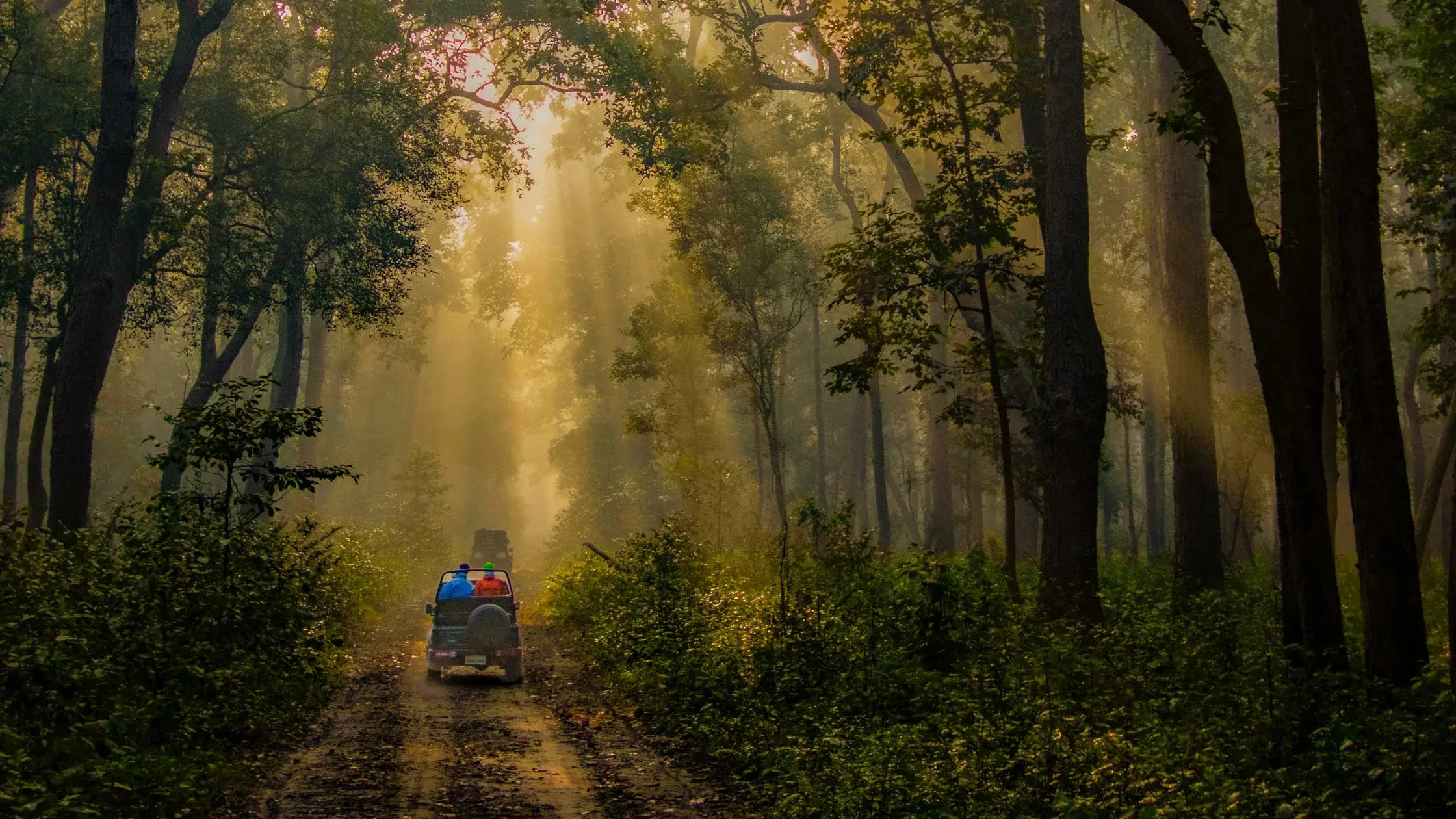
A Jungle Safari in Jim Corbett is the main highlight of the trip. You can book a jeep safari in popular zones like Bijrani, Jhirna, Dhela, or the famous Dhikala zone (with special permits).
During the safari, you may spot:
The safari takes you deep into the forest, giving you a true wildlife adventure.
3. Garjia (Girija) Devi Temple
This temple is located on a huge rock in the middle of the Kosi River. It is one of the most sacred and popular tourist spots in Jim Corbett. Visitors climb a small set of steps to reach the temple and offer prayers to Goddess Girija Devi. The temple surroundings offer beautiful views of the river and the green forests.
It is believed that visiting this temple brings peace and good fortune.
4. Corbett Museum
The Corbett Museum is located in the heritage bungalow of Jim Corbett at Kaladhungi. The museum showcases his personal belongings, writings, photographs, and old documents related to wildlife conservation.
It is a great place to learn about the legend who devoted his life to saving animals and protecting forests.
5. Kosi River
Flowing near the park, the Kosi River adds a lot of beauty to the Corbett landscape. Many resorts are built right next to the river, allowing guests to sit by the riverside, enjoy nature, or even walk along the stones. It’s a perfect place to relax after a safari.
Though not a core safari zone, Sitabani offers a peaceful and less-crowded forest experience. It is ideal for birdwatching, nature walks, and photography. Many travellers love visiting this area for its calm surroundings.
Dhikala is the heart of Corbett and the most iconic zone inside the park. Located in the deep forest, it offers stunning grasslands, wild animal sightings, and breathtaking sunrise views. Staying inside Dhikala (with special booking) is one of the most thrilling experiences of Corbett.
Here are some popular activities you can enjoy on your trip:
Jungle Jeep Safari
The most thrilling experience of Corbett.
Elephant Safari (limited availability)
A slow and peaceful ride through forest paths.
Bird Watching
Corbett is a paradise for bird lovers, especially in winter.
River Rafting (Seasonal)
You can enjoy rafting in the Kosi River during specific months.
Nature Walks & Photography
Perfect for capturing greenery, waterfalls, animals, and scenic landscapes.
Camping & Bonfire
Many resorts offer night camping with music and a bonfire.
The ideal time to visit depends on what you want to experience:
A 2N/3D Jim Corbett tour package is perfect.
This gives you time to enjoy:
If you want 2 safaris, then 3N/4D is ideal.
Corbett offers all types of stays:
Most people prefer staying near Ramnagar or near the Kosi River.
You can enjoy simple North Indian meals, Kumaoni dishes, or resort buffets. Many resorts also offer:
The food is usually mild, homely, and suitable for all ages.
Jim Corbett National Park is the perfect blend of adventure, nature, and peace. Whether you want to enjoy a thrilling safari, sit by the river, explore temples, visit museums, or simply relax in a quiet resort, Corbett has it all.
Families love it for the peaceful atmosphere. Couples enjoy the romantic riverside views. Nature lovers adore the wildlife and dense forests. And adventure seekers love jungle trails and safaris.
✅ Jim Corbett National Park – Famous wildlife sanctuary
✅ Corbett Waterfall – Scenic waterfall amidst nature
✅ Garjiya Devi Temple – Sacred temple on the riverbank
✅ Kosi River – Tranquil river with a serene atmosphere
✅ Ramganga River – Perfect spot for sunset views
✅ Corbett Museum – Historic museum showcasing Corbett’s life
✅ Jungle Safari – Jeep or elephant safari to spot wildlife
✅ Dhikala Zone – Popular safari zone in the park
✅ Corbett Landscape – Scenic views of dense forests and hills
| Mode | Price |
| Quad Sharing | ₹ 8999 |
| Triple Sharing | ₹ 9999 |
| Double Sharing | ₹ 10999 |
Reach out to us
To reach Jim Corbett from Delhi,
there are several convenient options available, depending on your
preference for travel time and comfort.
By Car: The most convenient way to reach Jim Corbett from Delhi is by road. The distance from Delhi
to Jim Corbett is approximately 250 kilometers, and the journey takes around 5 to 6 hours, depending on
traffic conditions. You can drive via NH9 (formerly NH24), which is a well-maintained highway, making it a
smooth and scenic drive. Many travelers prefer to drive their own cars, or you can hire a taxi for a more
relaxed journey. The route passes through several towns and scenic landscapes, offering a pleasant
experience.
By Train: If you prefer to travel by train, the nearest railway station to Jim Corbett is Ramnagar.
Trains from Delhi to Ramnagar are quite frequent, and the journey takes approximately 5 to 6 hours. The
Ramnagar Railway Station is well-connected to major cities, and from there, you can hire a taxi or
auto-rickshaw to your hotel or resort in Jim Corbett. Some popular trains include the Ramnagar Express and
Corbett Park Link Express. Trains offer a more relaxed mode of travel and can be a good option if you want
to avoid road travel.
By Bus: Another affordable option to reach Jim Corbett from Delhi is by bus. Several private and
government-operated buses run between Delhi and Ramnagar. The journey takes around 6 to 7 hours, and buses
are available in both AC and non-AC categories. You can book bus tickets online or at various bus terminals
in Delhi. Buses are a budget-friendly choice, though it may take a bit longer than traveling by car or
train.
By Air: The nearest airport to Jim Corbett is Pantnagar Airport, located around 50 kilometers from
the park. Though there are limited flights from Delhi to Pantnagar, it is an option if you're short on
time. Once you land in Pantnagar, you can hire a taxi to Jim Corbett, which will take around 1 to 1.5
hours.
For those looking to explore Jim Corbett in a well-organized way, booking a Jim Corbett tour package from
Delhi can simplify the logistics, as it includes transportation, accommodation, and guided safaris, ensuring
a hassle-free experience.
In Jim Corbett National Park, you can expect to witness a wide variety of wildlife, making it one of
the best places in India for nature enthusiasts. The park is renowned for its rich diversity of flora and
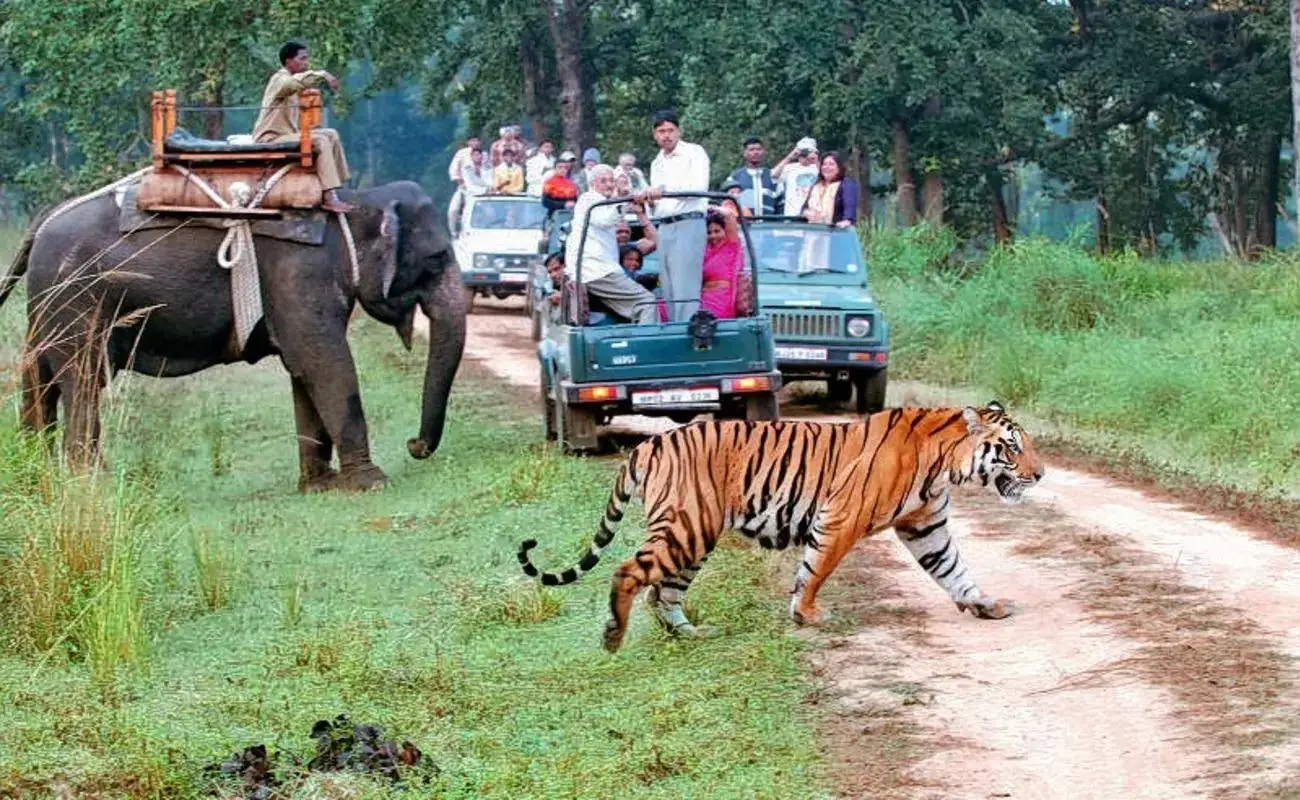
fauna, offering visitors the chance to see some iconic species in their natural habitat. Bengal Tigers are
the highlight of Corbett, and this park is famous for offering one of the best opportunities to spot them.
With its dense forests and varied terrain, places like Dhikala and Bijrani zones are known tiger habitats.
Seeing a Bengal tiger in the wild is a rare and thrilling experience for any wildlife lover.
Apart from tigers, Leopards are also a prominent feature of the park. These elusive big cats are often found
in the hilly regions and forested areas, though their shy nature makes them harder to spot. Another animal
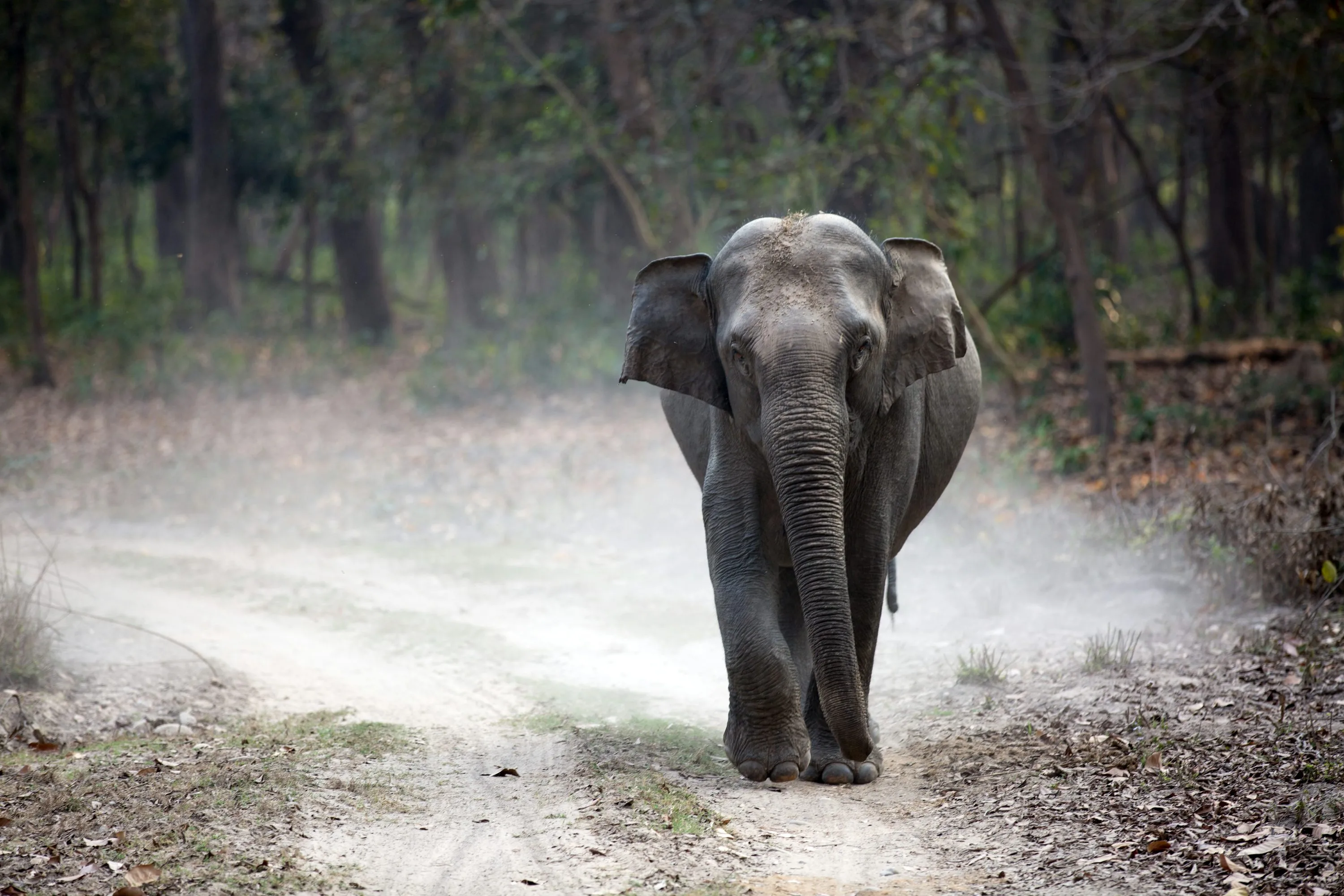
that draws attention in Corbett is the Indian Elephant. The park is home to a significant population of
these majestic animals. You might catch sight of a herd grazing in the meadows or near the rivers.
In addition to these, the park also houses rare species like the Sloth Bear, known for its shaggy coat and
nocturnal habits. Spotting a sloth bear in the wild is quite a challenge due to its shy nature, but it adds
a sense of adventure to the experience. The Ramganga and Kosi rivers in Corbett are home to Crocodiles and
the Gharial, a critically endangered species. These reptiles are often seen basking in the sun along the
riverbanks, adding to the park's allure.
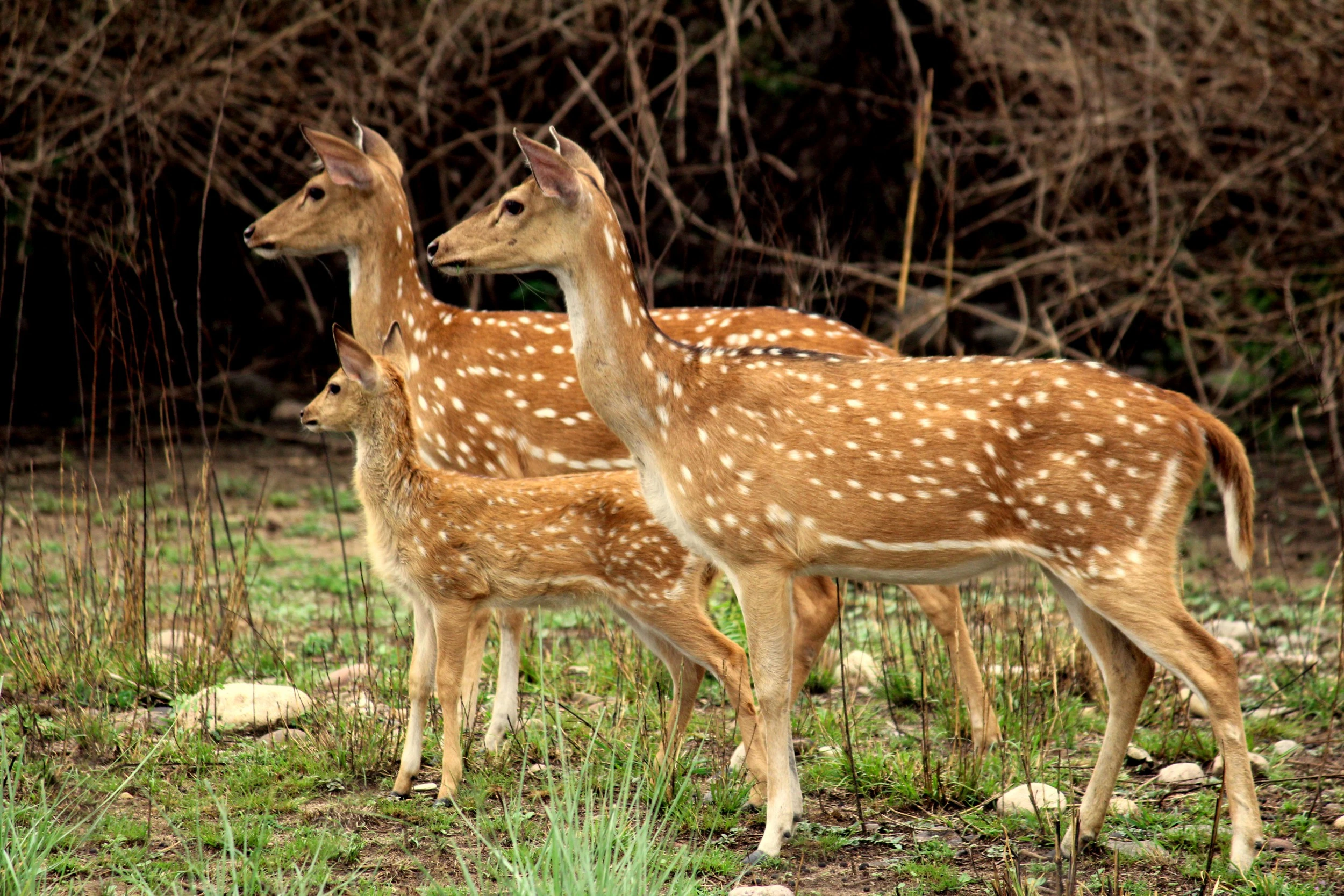
Corbett's grassy meadows and forested areas are home to several species of Deer, such as Chital, Sambar,
and Muntjac. These herbivores attract predators like tigers and leopards, making for an exciting safari. You
may also encounter Wild Boars, which are common in the park, rummaging through the underbrush for food. They
play an important role in the park's ecosystem, and spotting them can be a fun part of the adventure.
For bird enthusiasts, Jim Corbett is a paradise. Over 600 species of birds have been recorded here,
including the Indian Peafowl, Pallas's Fish Eagle, and Oriental Pied Hornbill. The diverse habitats
within the park make it an ideal spot for birdwatching.
The park also shelters various other mammals like Jackals, Wild Dogs, and Hyenas, as well as Otters in its
rivers. These animals contribute to the park's diverse wildlife population. Lastly, Jim Corbett National
Park is also home to many reptiles and amphibians. You’ll find several species of snakes, lizards,
frogs, and turtles, further enhancing the park's ecological richness. With such a wide variety of
wildlife, a Jim Corbett tour promises an unforgettable experience, and if you’re lucky, you’ll
get the chance to witness these incredible species up close.
The best time to visit Jim Corbett National Park largely depends on what you are hoping to experience during
your trip. The park is open throughout the year, but the wildlife experience and overall weather conditions
vary with the seasons.
Winter (November to February): Winter is considered one of the best times to visit Jim Corbett. The
weather during this time is cool and pleasant, making it perfect for safaris. The daytime temperatures range
from 10°C to 25°C, and the chilly mornings and evenings create a comfortable atmosphere for wildlife
viewing. Animals are more active during the day, and this is the ideal time to spot Bengal tigers, leopards,
and other wildlife as they come out in search of food and water. The Kosi and Ramganga rivers are also at
their fullest, which makes it easier to spot animals near the water. Winter is also great for birdwatching,
as migratory birds arrive in the park. This season offers a clearer and more enjoyable safari
experience.
Summer (March to June): While summer (March to June) can be quite hot, it is still a good time for
wildlife enthusiasts. Temperatures during the day can soar up to 40°C, but the evenings are relatively
cooler. The dry season makes wildlife spotting easier because animals tend to gather around water sources
like rivers and ponds to drink. The Dhikala zone, known for its wide grasslands, becomes a hotspot for
sightings of tigers, leopards, and elephants. This is also a good time for birdwatching, as many species are
visible around waterholes. If you are okay with the heat and prefer fewer tourists, summer is a good option
to visit.
Monsoon (July to September): Monsoon is the off-season for Jim Corbett due to the heavy rainfall that
makes the roads slippery and inaccessible. The park remains closed for safaris in the highland zones during
this period. However, the lush green landscape is quite beautiful, and if you love nature and tranquility,
visiting during the monsoon season can be refreshing. The rainfall attracts a variety of flora and fauna,
especially insects and amphibians. It’s a great time for nature lovers and photographers, but safaris
are not available.
The best time to visit Jim Corbett National Park for safaris and wildlife sightings is between November and
February, while March to June can be considered if you prefer a quieter experience.
Yes, safaris in Jim Corbett National Park are available throughout the year, but the experience varies
depending on the season. Here's a breakdown of safari availability during different seasons:
Winter (November to February): Winter is one of the best times for a safari in Jim Corbett. The
weather is cool and pleasant, making it ideal for wildlife watching. During this time, the park remains
open, and safaris are available in several zones, including Jhirna, Dhela, and Bijrani. The animals are more
active in the cooler weather, increasing your chances of spotting wildlife like tigers, leopards, elephants,
and various bird species. Morning and evening safaris are particularly popular, offering great opportunities
to enjoy the park's wildlife and natural beauty.
Summer (March to June): Summer is also a great time to visit Jim Corbett, especially for wildlife
enthusiasts. The dry conditions lead animals to gather near water sources, making them easier to spot. Zones
like Dhikala, Jhirna, Dhela, and Bijrani remain open for safaris. While the weather can be hot, early
morning and evening safaris help avoid the midday heat. This is the time when wildlife sightings are more
frequent as animals are often found near waterholes. The summer months are particularly good for spotting
tigers and other animals in their natural habitat.
Monsoon (July to September): During the monsoon season, the park remains open but with some
restrictions. Due to heavy rainfall, the Dhikala zone is closed, and certain parts of the park may become
inaccessible. However, safaris are still available in zones like Jhirna and Dhela, which are less affected
by rain. While the monsoon season offers a lush, green landscape, wildlife sightings can be fewer due to the
dense foliage and rain. If you don’t mind the weather and enjoy the beauty of the park in its monsoon
avatar, this could be a unique time to visit.
In conclusion, safaris are available throughout the year, but the experience is most favorable during winter
and summer, when most zones are open for safaris.
Yes, there are several accommodation options inside Jim Corbett National Park that cater to various budgets
and preferences. Staying inside the park allows you to experience the natural beauty and wildlife of the
park up close. Here are some of the main accommodation options:
1. Forest Rest Houses: For those looking for a more rustic experience, forest rest houses are
available in areas like Dhikala, Sarpduli, and Jhirna. These rest houses are managed by the Uttarakhand
Forest Department and offer basic facilities like comfortable beds, clean bathrooms, and simple meals.
Staying in these rest houses allows you to immerse yourself in nature and enjoy the park’s wildlife,
making it a popular choice for nature lovers and wildlife enthusiasts.
2. Resorts and Hotels: For a more comfortable and luxurious stay, resorts and hotels around Jim
Corbett are widely available. Many resorts are located just outside the park, offering spacious rooms,
pools, spas, and other recreational activities. Corbett Riverside Resort, The Riverview Retreat, and The
Golden Tusk are some well-known options. These resorts offer more comfort and modern amenities while still
being close to the park’s gates, giving you a more relaxed experience after a safari.
3. Eco-friendly Stays: If you're looking for an eco-conscious stay, there are several
eco-friendly accommodations around the park. These properties focus on sustainable living and nature
conservation, offering an experience that aligns with the environment. Many eco-friendly stays have cottages
or tents designed to blend with the natural surroundings, providing a peaceful and tranquil
atmosphere.
4. Tented Camps: For adventure enthusiasts, tented camps provide a unique experience of camping under
the stars. You can find luxury tents with attached bathrooms and a comfortable setup, providing the perfect
mix of adventure and comfort. Tented camps allow you to enjoy the natural surroundings while still having
the basic comforts.
Overall, Jim Corbett National Park offers a wide range of accommodation options, from basic forest rest
houses to luxurious resorts and eco-friendly stays, making it a versatile destination for all kinds of
travelers.
A typical jungle
safari in Jim Corbett National Park lasts for about 3 to 4 hours, depending on the type of
safari and the zone you choose to explore. There are generally two types of safaris available: morning
safaris and afternoon safaris, both providing different experiences.
Morning Safari: A morning safari usually begins around 6:00 AM and lasts until 9:00 AM. This is the
best time to spot wildlife, as many animals are more active in the early hours of the day. The weather is
also cooler, making it more comfortable for both the animals and visitors. The morning safari offers a
chance to see tigers, elephants, deer, and various species of birds as they start their day. The early hours
bring a sense of calm and serenity to the forest, making it a popular choice for nature lovers.
Afternoon Safari: An afternoon safari generally runs from around 2:30 PM to 5:30 PM. This time of the
day is warmer, and animals tend to be more relaxed, resting in the shade. Although the chances of spotting
tigers might be lower compared to the morning, the afternoon safari still provides ample opportunities to
observe other wildlife such as leopards, wild boars, elephants, and a variety of bird species. The sunsets
in the park are breathtaking, offering visitors a chance to experience the park's beauty during this
golden hour.
Safari Zones: Jim Corbett National Park is divided into various safari zones, including Dhikala,
Jhirna, Bijrani, and Dhela, and the duration of the safari can vary based on the zone you choose. For
example, safaris in Dhikala Zone might last longer due to its vast expanse, while safaris in Jhirna or
Bijrani zones are relatively shorter. The park authorities regulate the safari timings to ensure that all
visitors get an equal opportunity to explore the park’s wildlife without overcrowding.
Whether you choose the early morning safari or the afternoon safari, both options offer unique experiences
that last about 3 to 4 hours, giving you an immersive wildlife adventure.
Yes, you can take a guided safari in Jim
Corbett National Park, and it is highly recommended for a more
enriching experience. A guided safari ensures that you get the most out of your visit, as knowledgeable
guides help you navigate the park and provide valuable insights into the wildlife, flora, and geography of
the area.
Guided Safari Experience: A professional guide is always accompanied by visitors during safaris in
the park. These guides are trained naturalists with an in-depth understanding of the park’s
ecosystems, animal behavior, and bird species. They enhance your safari experience by pointing out animals
that you might otherwise miss, providing information about the park’s conservation efforts, and
sharing fascinating facts about the area’s history and culture. Whether you’re a first-time
visitor or a seasoned wildlife enthusiast, having a guide with you can transform your safari into a more
informative and immersive experience.
Types of Guided Safaris: In Jim Corbett, there are several safari options, including Jeep Safaris and
Canter Safaris, both of which offer guided tours. A Jeep Safari is the most common choice, as it
accommodates small groups of up to six people, providing a more personalized experience. Alternatively, a
Canter Safari is a larger vehicle that can accommodate up to 16 people, offering a more affordable option
for those traveling in larger groups.
Booking a Guided Safari: To book a guided safari, you need to make reservations in advance, as there
are limited vehicles allowed per day in each safari zone to prevent overcrowding and protect the
park’s delicate ecosystem. You can book through the official Corbett National Park website or through
authorized travel agencies. It’s always a good idea to book your safari well ahead of time, especially
during peak seasons.
Benefits of a Guided Safari: A guided safari not only increases your chances of spotting wildlife but
also contributes to the safety and conservation efforts of the park. Guides are skilled at tracking animals,
ensuring that visitors enjoy a safe and responsible wildlife experience. Additionally, guides are trained to
adhere to the park’s rules and regulations, helping to preserve the natural habitat.
A guided safari in Jim Corbett National Park enhances your overall experience, offering a deeper connection
with the wilderness while ensuring safety and responsible tourism.
Yes, Jim Corbett National Park is generally safe for tourists, but like any natural destination, it’s
important to follow guidelines and take necessary precautions to ensure a safe and enjoyable experience. The
park is one of the oldest national parks in India and attracts thousands of visitors every year. It is a
well-managed wildlife sanctuary, with proper safety measures in place to protect both tourists and
wildlife.
Safety Measures in Jim Corbett National Park: To ensure safety, the park authorities have implemented
several rules and regulations. All safaris are conducted under the supervision of trained and certified
guides, who are familiar with the park's wildlife and terrain. These guides help maintain a safe
distance from wild animals, preventing any risk to tourists while respecting the animals’ natural
behavior. Additionally, only authorized safari vehicles are allowed inside the park, ensuring that only
experienced drivers operate the vehicles.
Wildlife Encounters: While the park is home to a wide range of wildlife, including tigers, leopards,
elephants, and various species of birds, the chances of dangerous encounters are minimal when you follow the
rules. The trained guides keep tourists at a safe distance from animals and ensure that visitors do not
disturb their natural habitat. Tigers, for example, tend to avoid human presence, so sightings are rare.
However, if you do encounter a large animal, it is important to stay calm and listen to the guide’s
instructions. Never try to approach or provoke the animals.
Health and Safety Tips: It’s advisable to carry basic first-aid supplies, sunscreen, and plenty
of water while on a safari. Also, wear appropriate clothing for the safari, including sturdy shoes and
protective clothing to avoid insect bites or sun exposure. If you are visiting during the summer months, be
mindful of the heat and follow the guide's advice on staying hydrated and avoiding too much sun
exposure.
Overall, Jim Corbett National Park is a safe and fascinating place to explore nature and wildlife. As long
as you follow the safety guidelines and cooperate with park staff, your visit will be both enjoyable and
secure..
Jim Corbett National Park offers a range of activities that are enjoyable and educational for children,
making it a great destination for family vacations. The park's natural beauty and diverse wildlife
provide an exciting environment for kids to learn about nature, animals, and conservation efforts in a fun
and interactive way.
Jungle Safaris: Children can enjoy the thrill of a safari in Jim Corbett National Park, especially
the jeep safari. This activity is not only fun but also an opportunity for children to see wildlife in its
natural habitat. They can spot animals like deer, wild boar, elephants, and if lucky, a tiger or leopard.
The safaris are guided by experienced naturalists who share interesting facts about the wildlife, which
makes the experience both exciting and educational for children.
Nature Walks: For younger children or families with toddlers, nature walks are a fantastic option.
These guided walks are peaceful and give children a chance to explore the park’s flora and fauna up
close. They can learn about the various plants, birds, and insects in the park, fostering an appreciation
for nature from an early age.
Bird Watching: Jim Corbett is a paradise for bird watchers, with over 600 species of birds. Children
can participate in bird-watching activities, where they can spot colorful and exotic birds, including the
crested serpent eagle and various species of owls and hornbills. It's a great activity to enhance their
observational skills and spark an interest in the world of birds.
Corbett Museum Visit: For a more relaxed activity, families can visit the Corbett Museum, which is
located in the former residence of Jim Corbett himself. The museum provides a great learning experience for
children, with exhibits about the history of the park, the life of Corbett, and wildlife conservation
efforts. It's a wonderful way to introduce children to the significance of preserving natural
habitats.
Swimming and Recreation: Some resorts in the area offer swimming pools and play areas for children. These
are great spots for kids to unwind after a day of safaris and activities.
With these activities, Jim Corbett National Park ensures that children have an engaging and enjoyable
experience while learning about wildlife and the environment.
When visiting Jim Corbett National Park, there are several restrictions in place to ensure the safety of
tourists, wildlife, and the preservation of the park’s natural environment. These rules help maintain
the park’s ecological balance and allow visitors to have a safe and enjoyable experience while
minimizing human impact on the habitat.
1. Safari Timing and Zones: Jim Corbett National Park has designated safari zones, and tourists can
only enter these zones during specific hours. Morning safaris typically run from 6:00 AM to 9:30 AM, and
afternoon safaris are from 3:00 PM to 6:00 PM. Visitors are only allowed to enter the park during these
hours, and night safaris are not permitted to ensure the safety of both wildlife and tourists.
2. No Entry for Private Vehicles: Private vehicles are not allowed inside the park’s core area
or safari zones. Safari vehicles arranged by the park or resort operators must be used to ensure that the
wildlife is not disturbed. This rule also ensures that the vehicles are eco-friendly and follow the
park’s guidelines for noise and pollution.
3. Littering and Pollution: Tourists are strictly prohibited from littering inside the park. Plastic
waste and other pollutants are harmful to both wildlife and the environment. Visitors are expected to carry
their trash with them and dispose of it responsibly once outside the park.
4. Feeding or Disturbing Wildlife: Feeding or attempting to touch wildlife is strictly forbidden.
Feeding wild animals disrupts their natural behavior and can be dangerous for both the animals and visitors.
Tourists are advised to maintain a safe distance from the animals and respect their habitat.
5. Smoking and Alcohol: Smoking and consumption of alcohol are prohibited inside the park to prevent
fire hazards and protect the environment. It also ensures the safety of wildlife, as these substances can
disrupt their natural behavior.
6. No Disturbance to Birds and Animals: Birds and animals must not be disturbed, especially during their
breeding seasons. Noise pollution should be minimized, and visitors are advised to keep their voices down
while on safaris to avoid startling the animals.
By following these restrictions, tourists can contribute to the conservation efforts of the park and ensure
a memorable, safe experience in the wild.
Tips, Routes & Experience
Photo Gallery