
Sankri Village
Published on November 18, 2024
Sankri Village is a picturesque and serene village located in the Uttarkashi district of Uttarakhand, India. Nestled in the heart of the Indian Himalayas, this quaint village serves as the base camp for some of the most popular treks in the region, including the famous Kedarkantha Trek. With its breathtaking natural beauty, peaceful ambience, and rich cultural heritage, Sankri is a hidden gem for nature lovers, adventure enthusiasts, and those looking to escape the hustle and bustle of city life.
Location and Accessibility
Sankri is located at an altitude of about 6,400 feet (1,950 meters) above sea level. It is situated about 200 kilometres from Dehradun, the capital city of Uttarakhand, and can be reached by a scenic 10-12 hour drive from there. The village lies at the edge of the Govind Wildlife Sanctuary, which is known for its rich flora and fauna. The drive to Sankri takes travellers through dense oak and pine forests, charming villages, and winding mountain roads, offering spectacular views of the surrounding Himalayan ranges.
The road to Sankri from Dehradun takes you through some of the most stunning landscapes, where the beauty of the lush greenery, the flowing rivers, and the towering mountains combine to create an unforgettable journey. Sankri is the last motorable village before embarking on the trek to Kedarkantha, and it offers travellers an ideal place to rest and acclimatise before they begin their adventurous journey.
Culture and Lifestyle
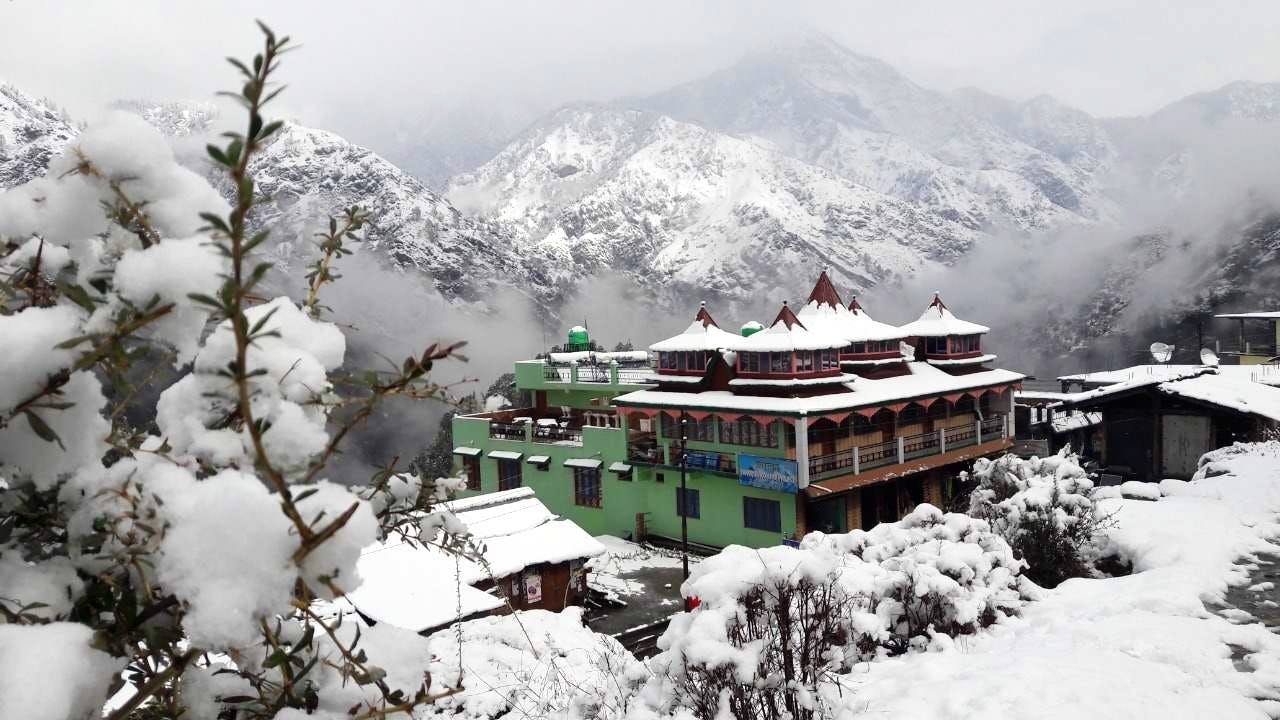
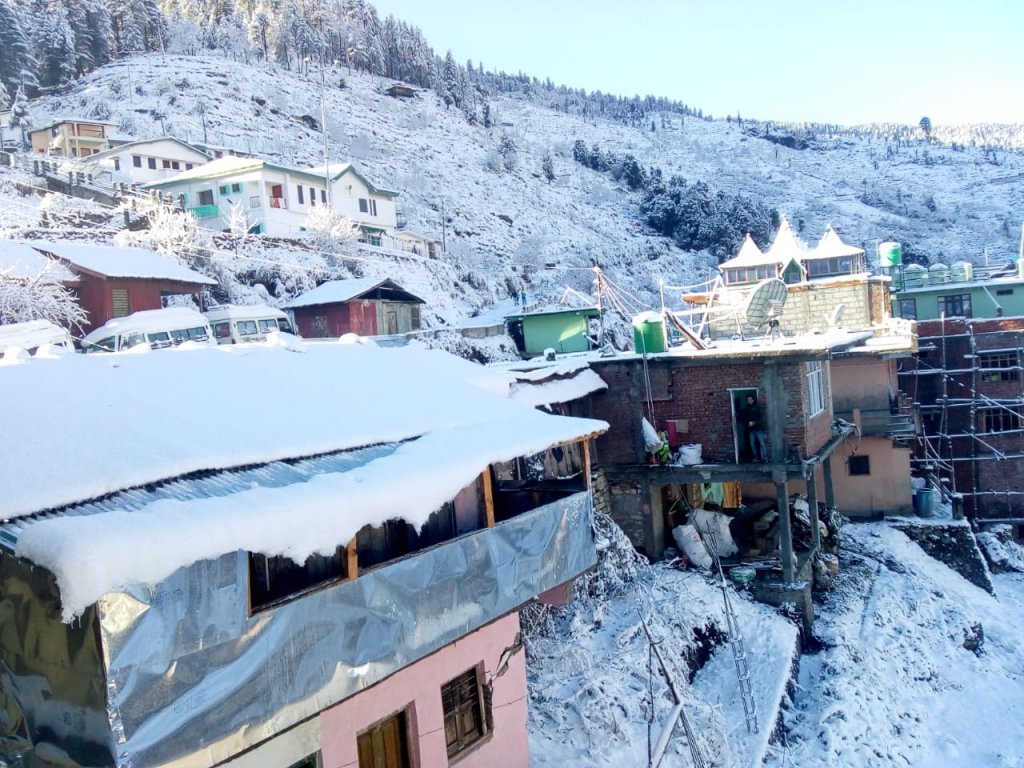
Sankri is home to a small but welcoming community of locals who are mostly farmers and shepherds. The inhabitants of the village belong to the Jaunsari tribe, an indigenous group known for their vibrant culture and traditions. The people of Sankri live in traditional wooden houses, with sloping roofs designed to withstand the heavy snowfall during the winter months. The village is peaceful, and life here moves at a slower pace compared to the fast-paced life of cities, which adds to its charm.
The locals in Sankri are known for their hospitality and warmth. Visitors often experience the simple yet rich lifestyle of the region, with an opportunity to interact with the villagers and learn about their customs, rituals, and way of life. The community celebrates various festivals with great enthusiasm, including the local festival of Magh Mela, which marks the beginning of the harvesting season. The cultural richness and the simplicity of life in Sankri make it an attractive destination for those looking to immerse themselves in local traditions.
Natural Beauty and Attractions
Sankri’s natural beauty is one of its major draws. The village is surrounded by lush forests, majestic mountains, and tranquil rivers. The verdant forests of oak, pine, and deodar trees that envelop Sankri are teeming with wildlife, including the Himalayan Monal, the state bird of Uttarakhand, and several species of deer and other small animals. The beauty of Sankri is further enhanced by the changing seasons—lush green landscapes in the summer, a blanket of snow in the winter, and vibrant colours during autumn and spring.

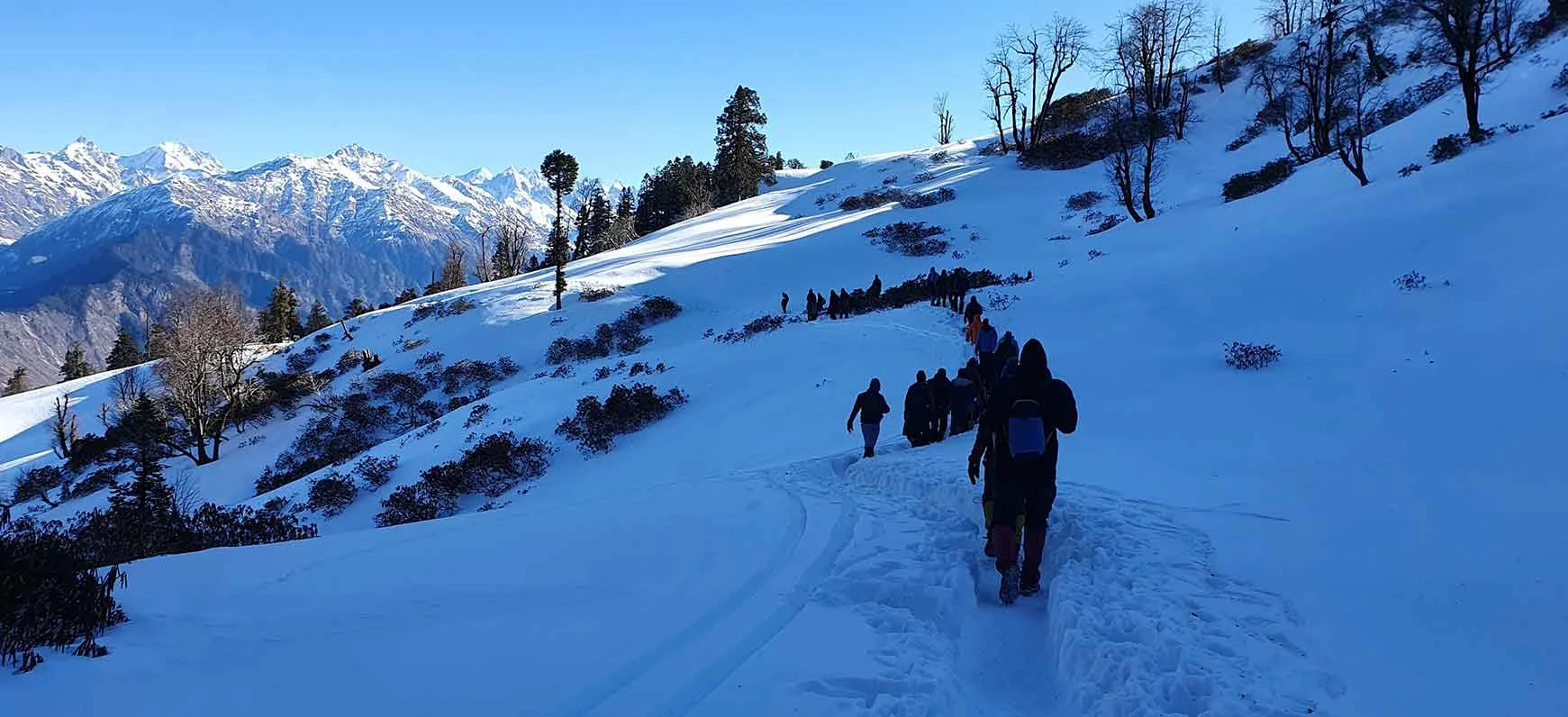
Sankri is also a gateway to some of the most breathtaking trekking routes in the region. The Kedarkantha Trek is the most famous trek starting from Sankri, attracting adventurers from all over the world. The trek takes you through dense forests, pristine meadows, and stunning viewpoints offering panoramic views of the Himalayan peaks, such as Swargarohini, Bandarpoonch, and Kala Nag. This trek, along with others like the Har Ki Dun trek, gives trekkers a chance to explore some of the most beautiful landscapes of the Indian Himalayas, all of which are accessible from Sankri.
Apart from the treks, the surrounding area is perfect for nature walks and birdwatching. The Govind Wildlife Sanctuary, located near Sankri, is a major attraction for wildlife enthusiasts. The sanctuary is home to a variety of rare and endangered species, including the Himalayan Monal, Black Bear, Snow Leopard, and Musk Deer. The sanctuary is an excellent place for nature lovers to observe the region’s flora and fauna in their natural habitat.
Adventure and Activities
Sankri serves as a hub for adventure activities in the region. The village is primarily known for its trekking opportunities, but it also offers a range of other activities for thrill-seekers and nature enthusiasts.
-
Trekking: As mentioned, Sankri is the starting point for the famous Kedarkantha Trek, which is a winter wonderland for trekkers. The trek takes you to an elevation of 12,500 feet, offering mesmerising views of snow-covered landscapes and the majestic Himalayan peaks. The trek is considered moderate in difficulty, making it suitable for beginners and experienced trekkers alike.
In addition to the Kedarkantha Trek, Sankri is also the starting point for the Har Ki Dun Trek, which takes trekkers through lush valleys, charming villages, and breathtaking meadows. This trek is known for its views of the Swargarohini and Bandarpoonch peaks.
-
Camping: The forests and meadows surrounding Sankri are perfect for camping, especially during the warmer months. Camping in Sankri allows travellers to experience the beauty of the night sky, the cool mountain breeze, and the serene silence of the wilderness. Many trekking groups set up camps here as part of their itinerary, offering a memorable camping experience under the stars.
-
Birdwatching: Sankri and its surrounding areas are a paradise for birdwatchers. The region is home to a variety of bird species, including the Himalayan Monal, which is the state bird of Uttarakhand. Birdwatching expeditions in Sankri provide a unique opportunity to witness these magnificent creatures in their natural habitat.
-
Photography: The stunning landscapes and wildlife of Sankri make it a photographer’s paradise. From the lush green forests to the snow-capped peaks, every corner of Sankri offers an opportunity to capture nature's beauty.
Accommodation and Food
Sankri, being a small village, has limited but comfortable accommodation options. Most trekkers stay in homestays, which are simple yet cosy and provide an authentic experience of rural life. These homestays offer basic amenities like clean rooms, shared bathrooms, and home-cooked meals. Staying with local families gives visitors a chance to interact with the villagers and learn about their lifestyle.
For food, Sankri offers delicious local dishes made with fresh, organic ingredients. The traditional Pahadi cuisine includes foods like Aloo Ke Gutke, Gahat Ki Dal, Kandali Saag, and Bhatt Ki Churkani. These dishes are simple yet flavorful, and they offer an authentic taste of the region’s culinary traditions. Home-cooked meals in the village are a highlight of the stay, providing a true taste of rural life in the Himalayas.
Why Sankri Feels Like the Edge of the World
At exactly 1,950 m (6,400 ft), Sankri is the last full-fledged village on the Tons Valley road. After this, there is only forest, snow, and stories. For most trekkers, Sankri is not a destination — it is the heartbeat from where the greatest winter treks of Uttarakhand begin:
- Kedarkantha (India’s most loved winter trek)
- Har Ki Dun (the mythical Valley of Gods)
- Bali Pass (the toughest pass crossing in Garhwal)
- Devkyara, Phulara Ridge, Borasu Pass, Ruinsara Tal… the list is endless.
Sankri is still raw, still beautiful, and still governed by the same 300-year-old wooden temples and apple orchards that greeted the Pandavas.
Exact Location & How to Reach Sankri
| Route | Distance | Time | Cost (2025) | Remarks |
|---|---|---|---|---|
| Delhi → Dehradun → Sankri | 430 km | 12–14 hrs | ₹900–1200 (bus) / ₹10k cab | Overnight Volvo till Dehradun, then morning cab |
| Dehradun → Sankri | 200 km | 7–8 hrs | ₹500–700 shared / ₹7–9k cab | Road is fully black-topped till Sankri parking (even sedans can reach) |
| Mussoorie → Sankri | 150 km | 5–6 hrs | ₹5–7k cab | Scenic route via Damta–Purola |
| Jolly Grant Airport → Sankri | 220 km | 8 hrs | ₹8–10k cab | Daily flights from Delhi, Mumbai, Bangalore |
Important Update:
- Purola–Netwar–Sankri road widened and re-tarred in 2024–25.
- New petrol pump + EV charging station at Purola.
- Shared taxis now run till 2 PM from Dehradun ISBT (earlier only morning).
The Myths & Legends That Still Live in Sankri
- Pandavas’ Night Halt. The five boulders near GMVN are called “Pandavon ka Chulah” (Pandavas’ kitchen). Locals swear the brothers cooked their last meal here before climbing Swargarohini to heaven.
- Duryodhana’s Temple at Saur Just 2 km before Sankri lies Saur village, which has a 500-year-old wooden temple dedicated to Duryodhana (yes, the Kaurava!). Every November, a week-long fair is held where Duryodhana is worshipped as the protector of the valley.
- Yamuna’s Hidden Spring Behind the old school is a secret spring called “Yamuna Kund”. Villagers say drinking from it gives you strength for the toughest treks.
- The British Ghost of Taluka. In 1903, a British officer died of hypothermia on the Har Ki Dun trail. Trekkers still report seeing a man in a khaki uniform asking for directions near Taluka at dusk.
Where to Stay in Sankri – Prices & Honest Reviews
| Stay Type | Name & Contact | Price (per person) | Food Quality | Hot Water | View | Recommendation |
|---|---|---|---|---|---|---|
| Budget Homestay | Swargarohini Homestay (Anil ji) | ₹800–1200 | ★★★★★ | Yes | Mountain | Best food in Sankri |
| Mid-range | Hotel Kedarkantha Heights | ₹1500–2000 | ★★★★ | 24×7 | River | Clean, great balcony |
| GMVN Tourist Rest House | Book via gmvnl.in | ₹1800–2500 room | ★★★ | Geyser | Forest | Government, safe |
| Luxury | The Wild Sankri Resort (new 2025) | ₹4000–6000 | ★★★★★ | 24×7 | Swargarohini | Spa & bonfire |
| Camping (riverside) | Tons Valley Camps | ₹1500–2500 tent | ★★★★ | Common | River sound | Perfect for groups |
Pro tip: Book Swargarohini Homestay if you want to eat like a local — their mandua ki roti + pahadi chicken is legendary.
Treks Starting from Sankri (Updated Difficulty & Cost)
| Trek Name | Distance | Days | Max Altitude | Difficulty | Best Season | 2025 Cost (all incl.) |
|---|---|---|---|---|---|---|
| Kedarkantha | 20 km | 5–6 | 3,850 m | Easy–Moderate | Dec–Apr (snow) | ₹6,500–9,500 |
| Har Ki Dun | 47 km | 7 | 3,566 m | Moderate | Apr–Jun, Sep–Nov | ₹10,000–14,000 |
| Bali Pass | 60 km | 8 | 4,950 m | Difficult | May–Jun, Sep–Oct | ₹22,000–30,000 |
| Devkyara Bugyal | 32 km | 5 | 3,800 m | Moderate | May–Jun | ₹9,000–12,000 |
| Phulara Ridge | 25 km | 4–5 | 3,700 m | Moderate | May–Jun, Oct | ₹8,000–11,000 |
Day-by-Day Sample Itinerary for First-Timers (6 Days)
Day 0: Delhi/Dehradun → Sankri (night journey) Day 1: Arrive Sankri → Acclimatisation walk to Saur village & Duryodhana temple Day 2–5: Kedarkantha Trek (the perfect winter beginner trek) Day 6: Sankri → Dehradun/Delhi
Food You Must Not Miss in Sankri
- Apple pie at Wild Sankri Café
- Mandua ki roti + bhang ki chutney (April–May only)
- Pahadi chicken at Swargarohini Homestay
- Fresh apple juice (₹30/glass) from roadside stalls
New Facilities in Sankri
- ATM (SBI & PNB) is now working 95% of the time
- Jio & Airtel 4G tower at the village centre
- Medical room with an oxygen cylinder
- Trekking gear rental shop (crampons ₹200/day, jacket ₹150/day)
A Final Note from a Local Guide
“Jab tak Swargarohini dikh rahi hai, raasta khud bata deta hai. Jab tak Sankri mein ho, ghar mein ho.”
(As long as you can see Swargarohini, the path will tell itself. As long as you are in Sankri, you are home.)
Save this blog, bookmark it, print it — because once you stand in Sankri market at 6 AM with a cup of buransh tea and the first rays hitting Swargarohini, you’ll understand why thousands keep coming back every winter.
Sankri is calling. Will you answer?
Jai Sankri | Jai Swargarohini | Jai Uttarakhand!