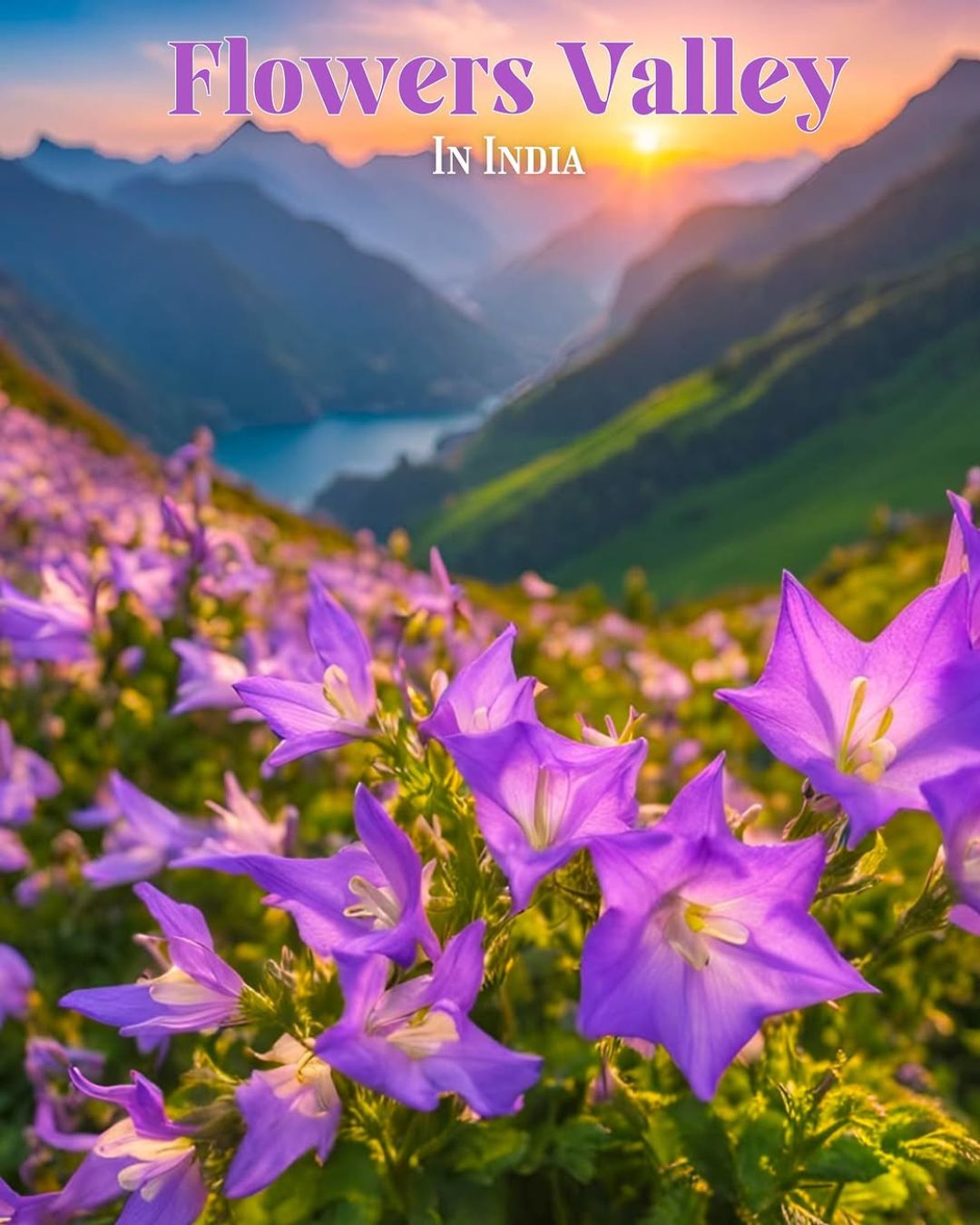
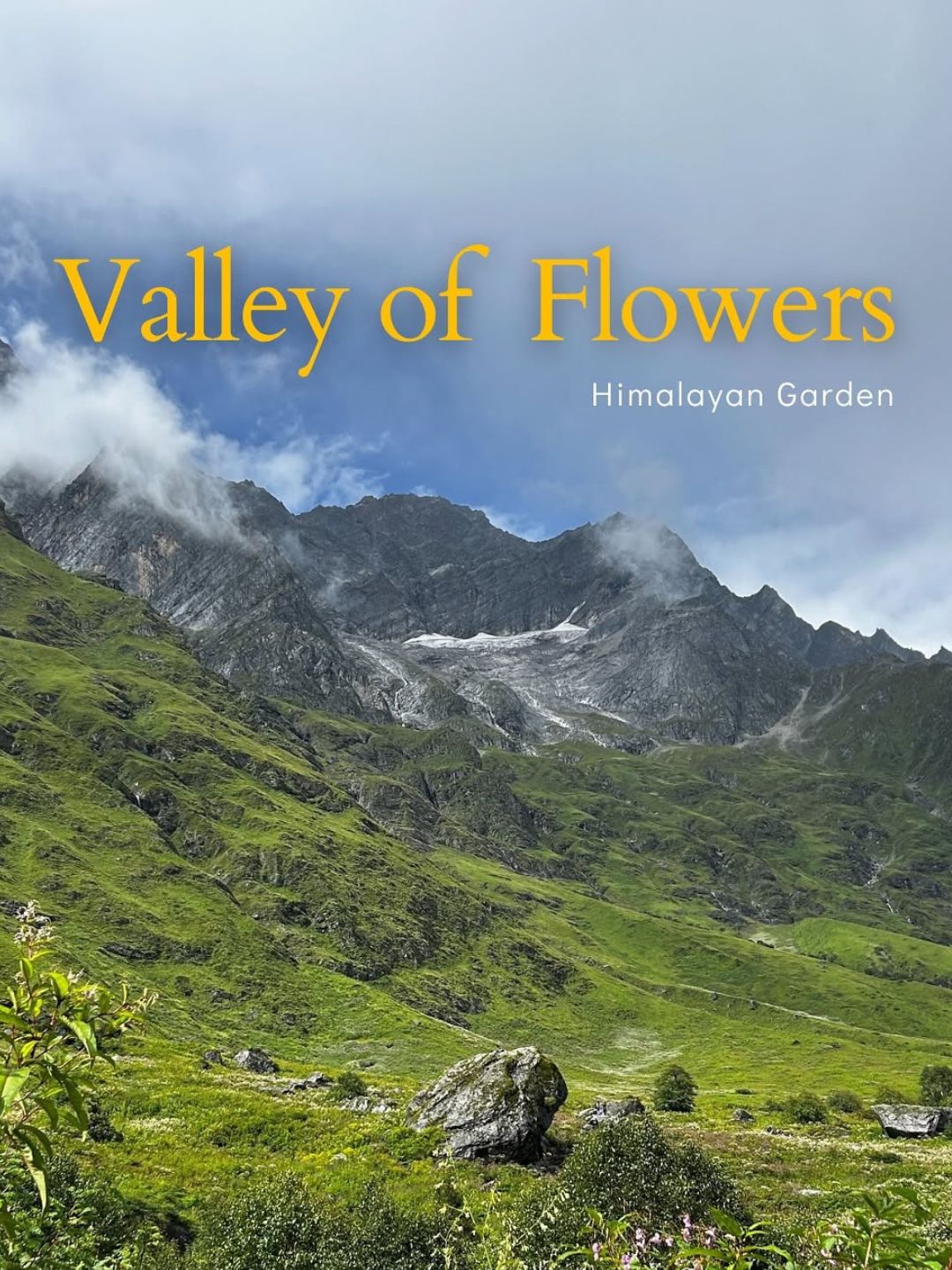
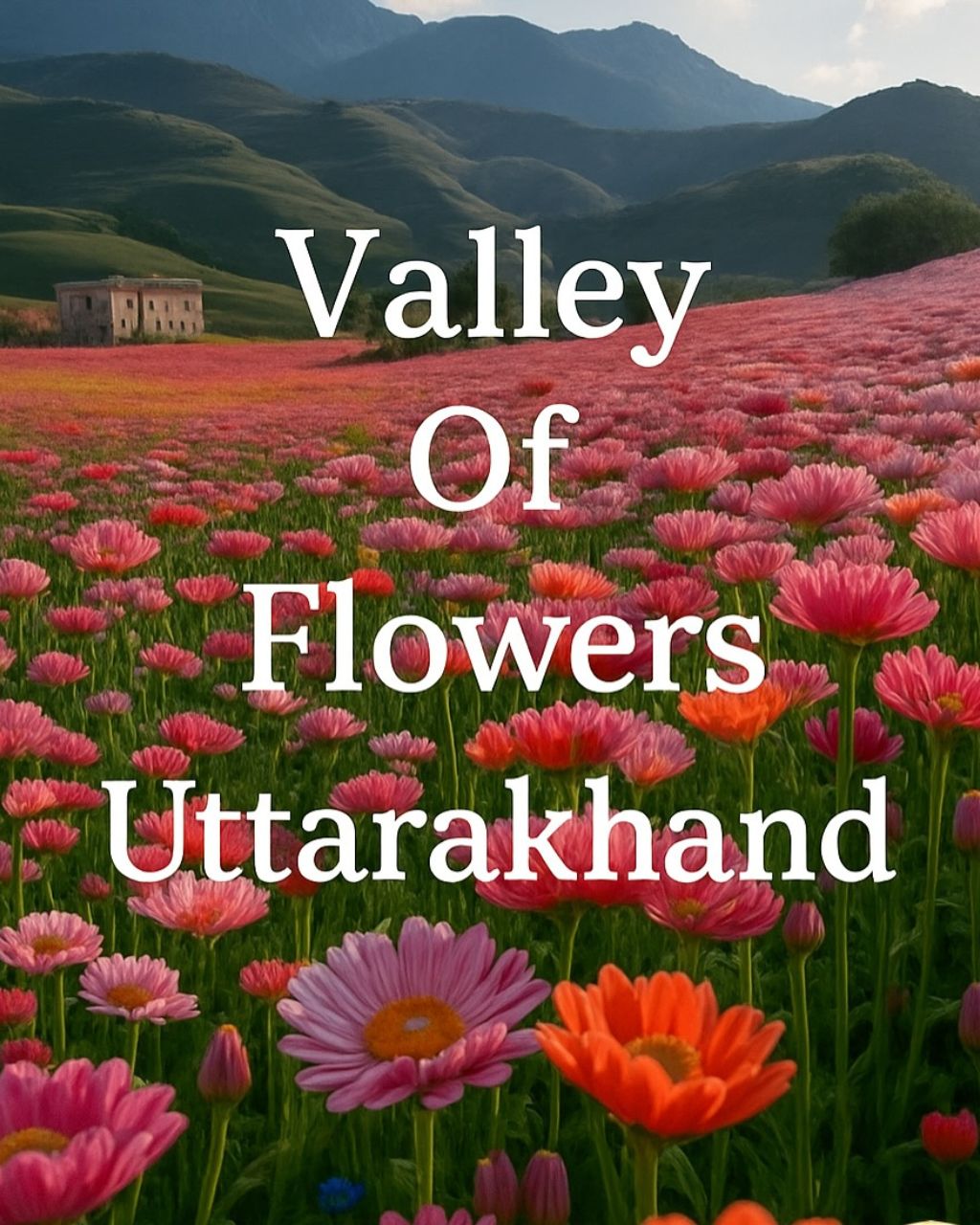
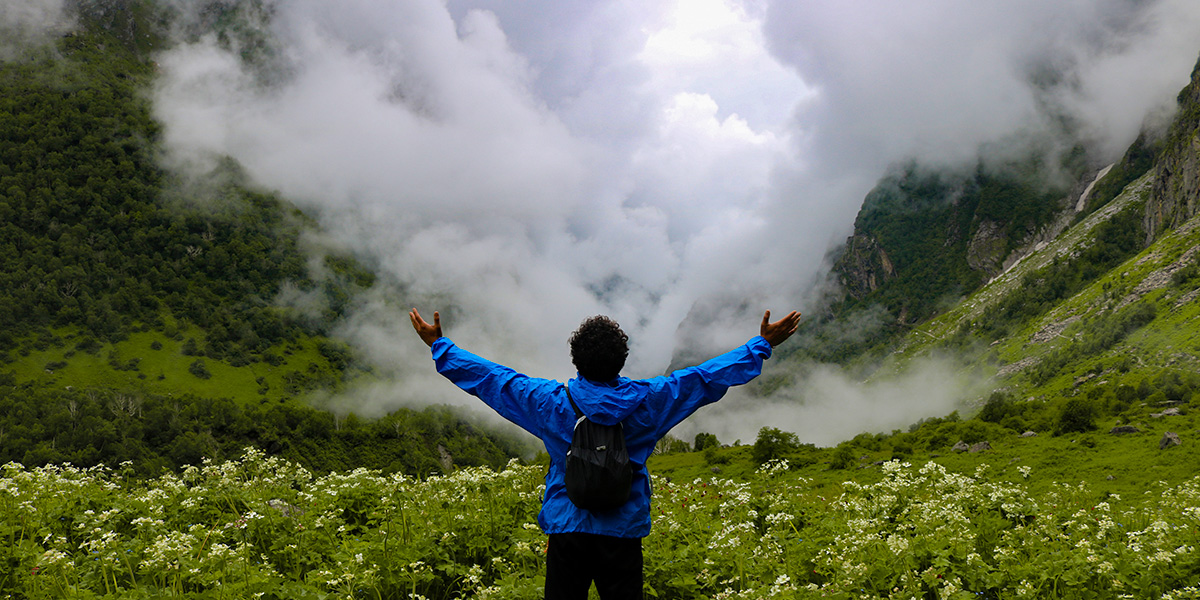
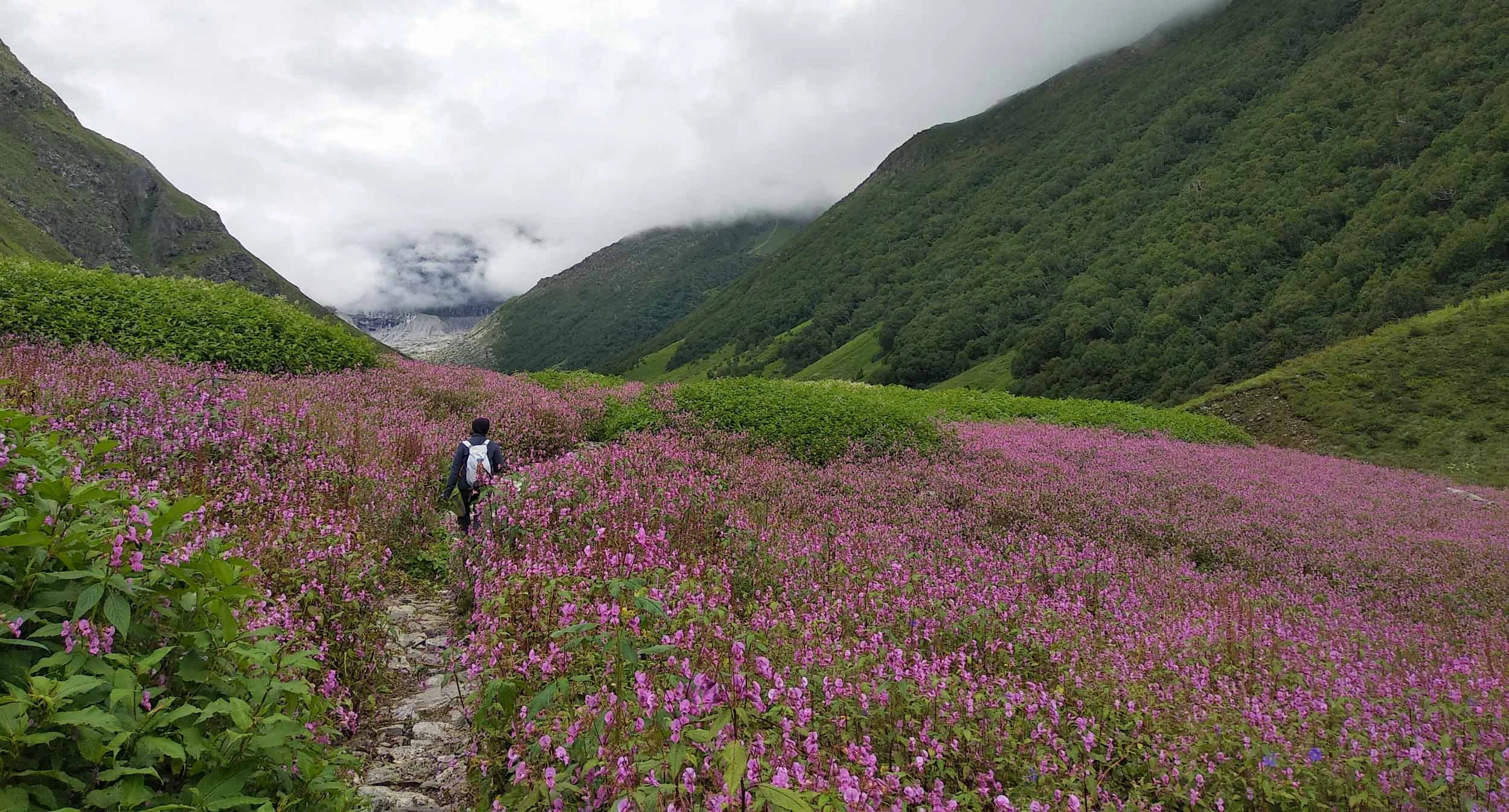
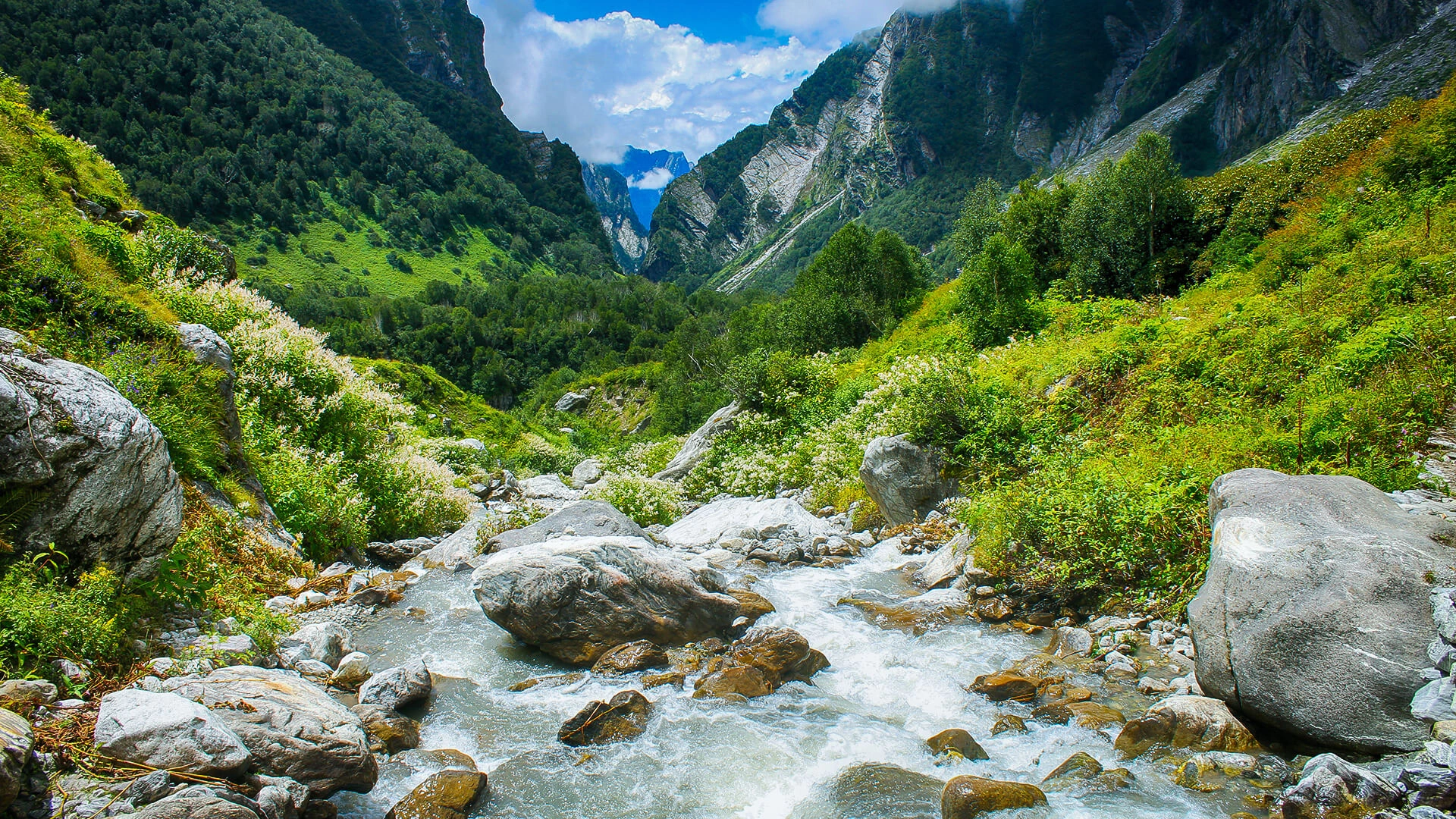
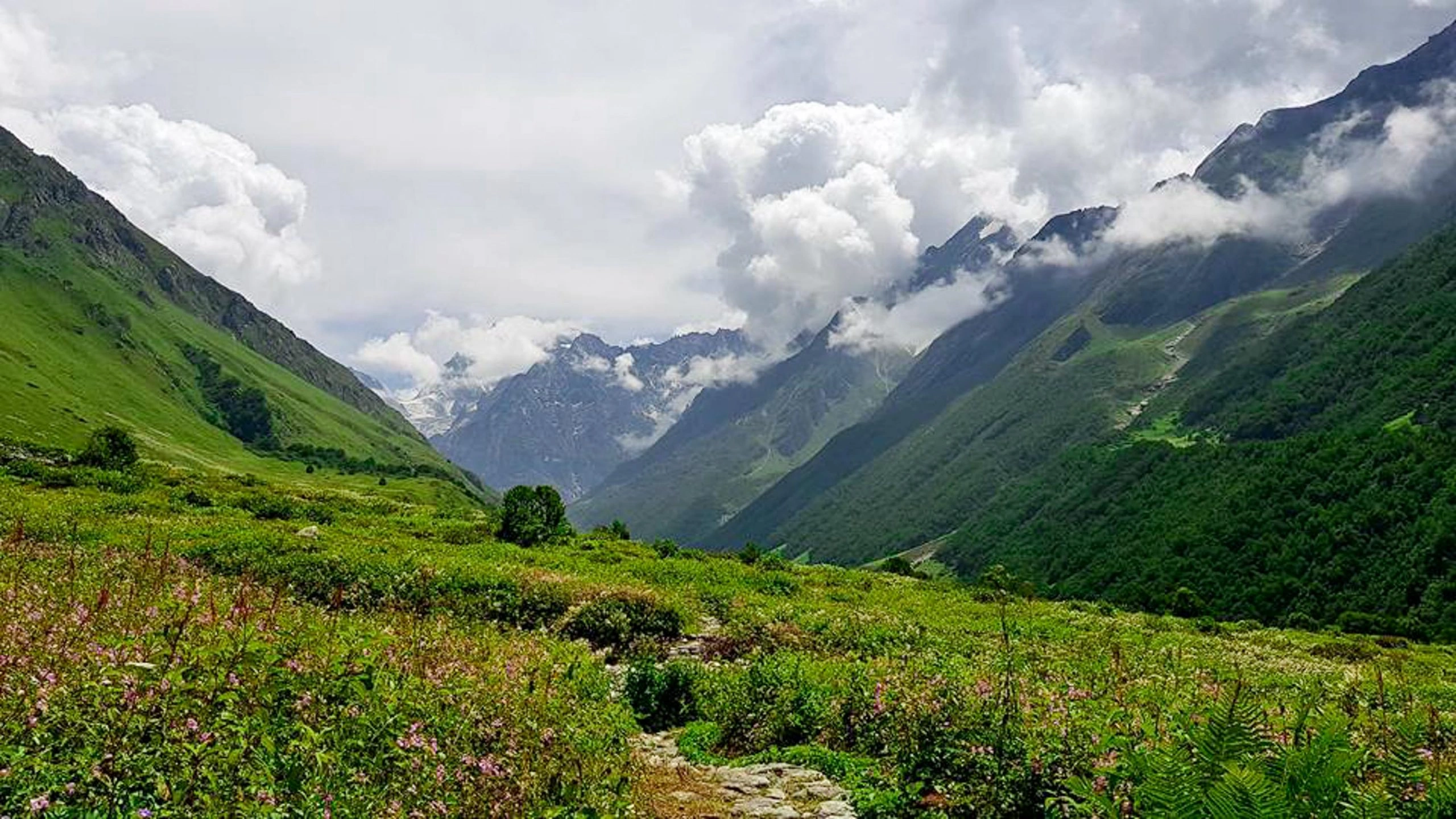
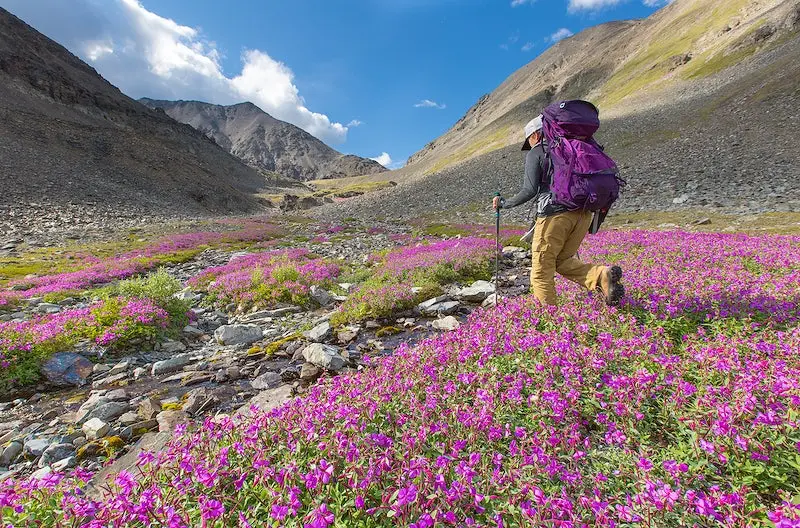
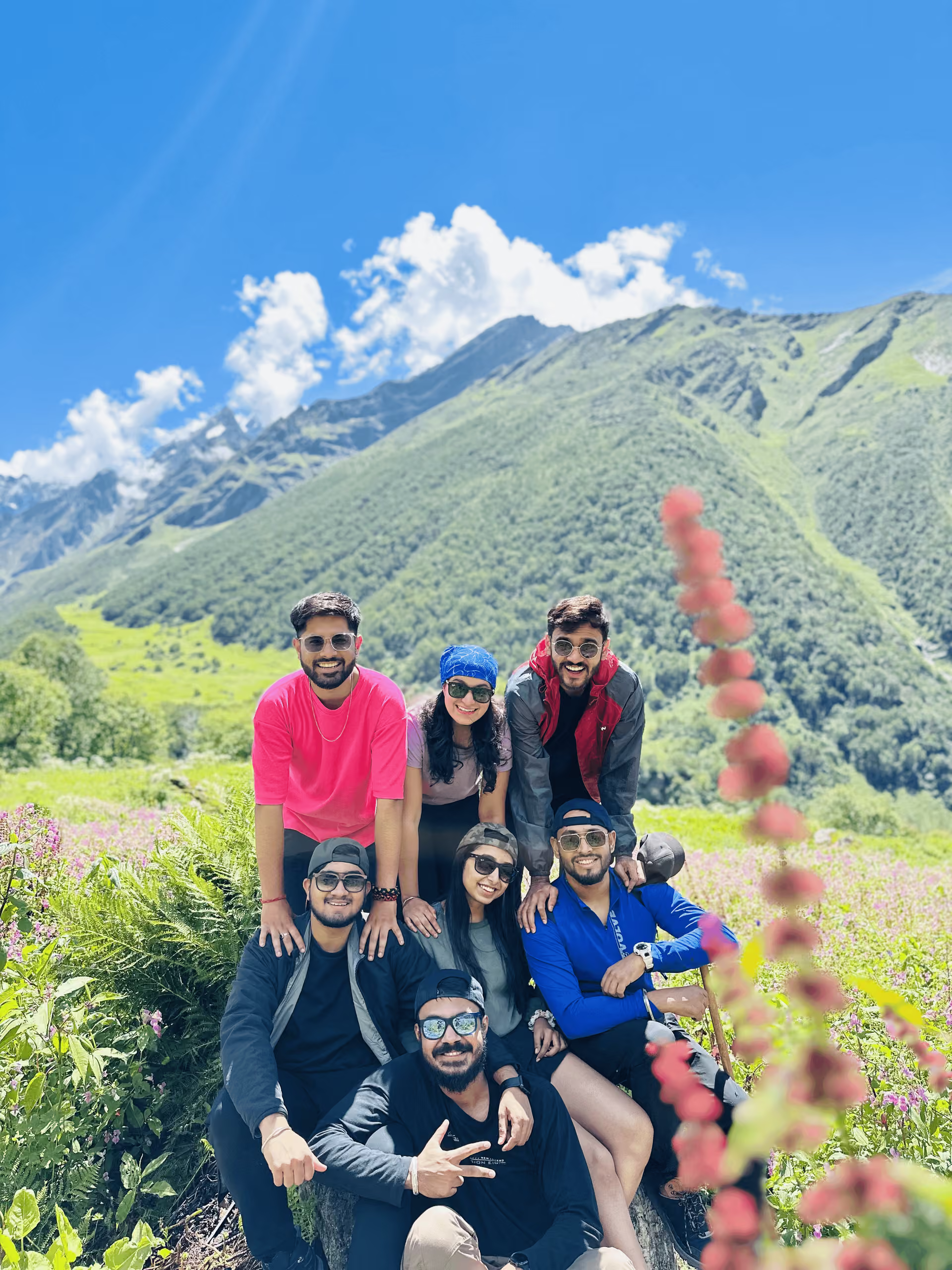
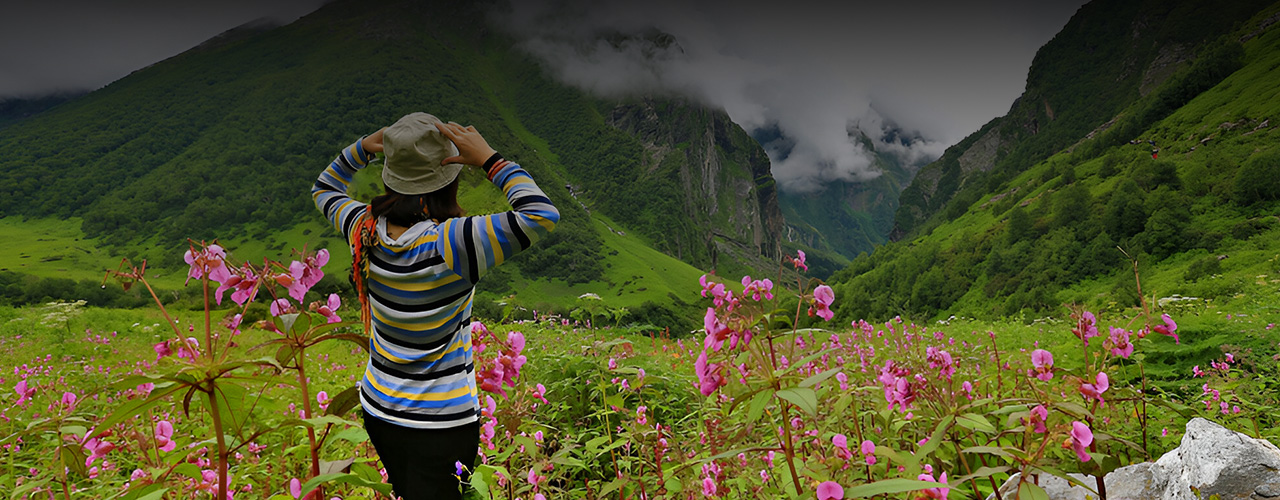
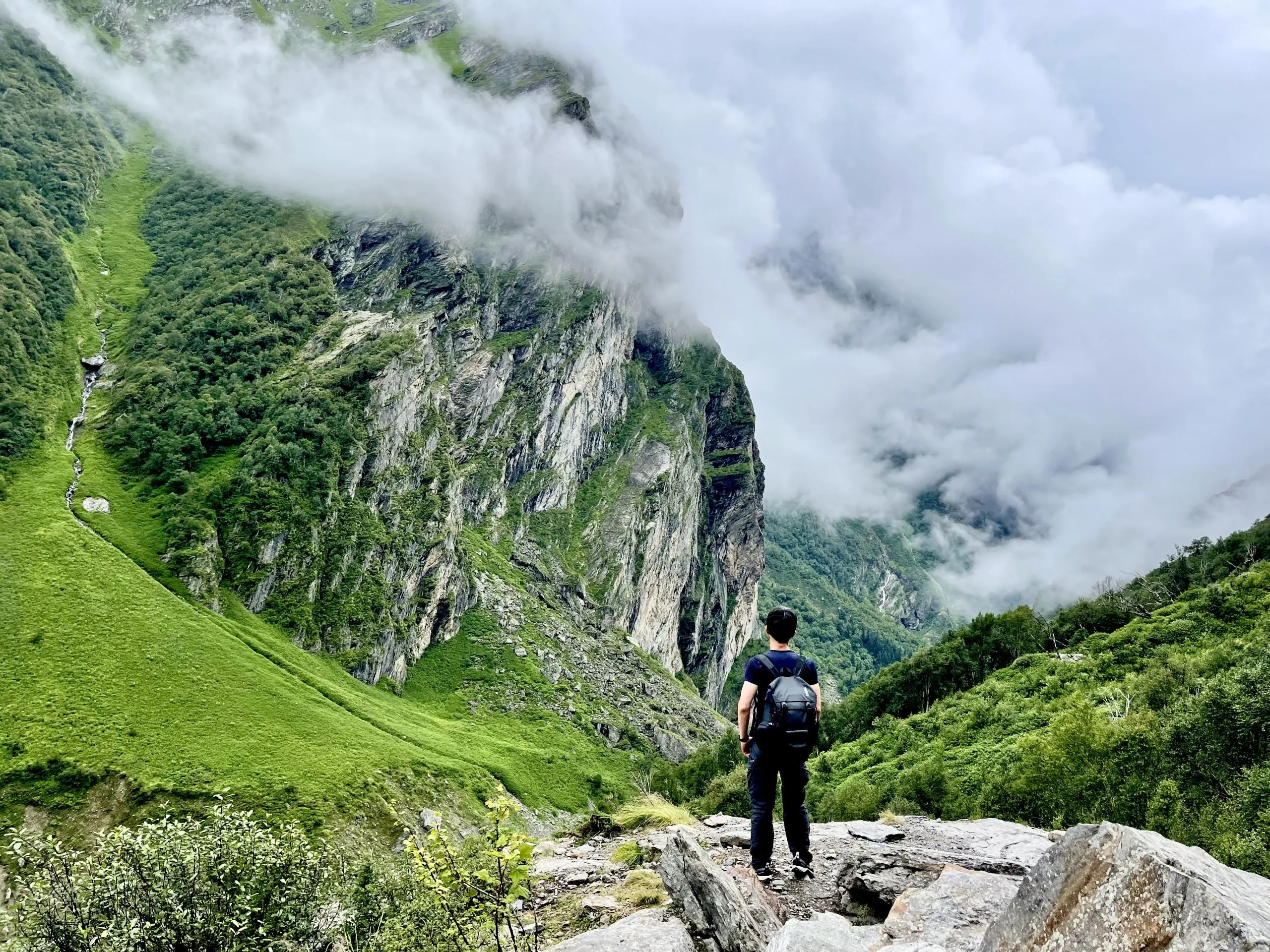
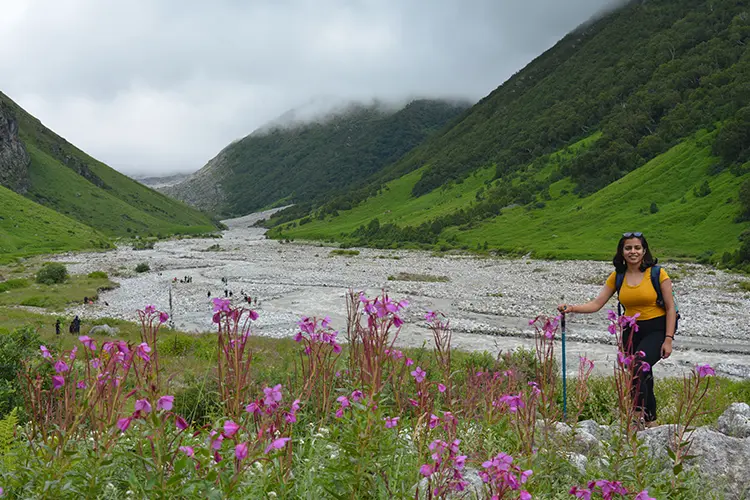
The best time to visit the Valley of Flowers is during the monsoon season, specifically between late June and early September. This is when the valley is in full bloom, and the landscape is covered with vibrant, colorful flowers. The valley, a UNESCO World Heritage Site, is famous for its rich biodiversity and the breathtaking sight of numerous species of flowers, which only bloom during this period. During these months, the weather is cool, with temperatures ranging between 10°C and 20°C, making it perfect for trekking and sightseeing.
The Valley of Flowers is accessible after the monsoon, but the flowers begin to wither as the season progresses into autumn. Therefore, planning your trip during the peak blooming period ensures you witness the valley at its most picturesque. The months of July and August, in particular, are the most popular, as the entire valley is alive with vibrant blooms, including species like the Himalayan Blue Poppy, Marigolds, Orchids, and many others.
It’s essential to consider the weather conditions as well when planning your visit. While the valley is open throughout the year, the best time to visit is undoubtedly during the flowering season to fully appreciate its natural beauty. Additionally, since the Valley of Flowers is located at high altitudes (around 3,600 meters), the weather can be unpredictable. The path to the valley can be wet and slippery during the monsoon, so it’s important to pack appropriate gear, such as waterproof shoes, jackets, and trekking poles.
For those looking to combine their visit to the Valley of Flowers with a spiritual journey, it’s also possible to include a visit to Hemkund Sahib, a Sikh pilgrimage site located nearby, during the same season. This combination of scenic beauty and spiritual significance makes the best time to visit the Valley of Flowers a memorable experience for nature lovers and trekkers alike.
Reaching the Valley of Flowers from Delhi requires a combination of travel options, as the destination is located in the remote areas of Uttarakhand, approximately 500 kilometers from Delhi. Here’s a step-by-step guide on how you can reach the Valley of Flowers:
By Train: The most convenient way to begin your journey from Delhi is by taking a train to Haridwar or Rishikesh. Both of these cities are well-connected to Delhi by frequent trains, and the journey takes around 6 to 7 hours. From Haridwar or Rishikesh, you can continue your journey by road to the town of Joshimath, which serves as a base for the Valley of Flowers trek. The road distance from Haridwar to Joshimath is approximately 275 kilometers and takes about 8-9 hours.
By Bus: If you prefer to travel by bus, you can board an overnight bus from Delhi to Haridwar or Rishikesh, which usually takes around 6 to 7 hours. From Haridwar or Rishikesh, you can hire a private taxi or take a local bus to Joshimath. The road conditions can be challenging, but the scenic views along the way make the journey worthwhile.
By Road: For a more direct route, you can drive from Delhi to Joshimath by car, which takes around 12-14 hours depending on road conditions. The route involves taking NH9 and NH58, passing through towns like Meerut, Muzaffarnagar, and Rishikesh before reaching Joshimath. The road journey can be tiring, but it offers the flexibility to stop and enjoy the scenic beauty along the way.
From Joshimath to Ghangaria: Once you reach Joshimath, you will need to travel to Ghangaria, a small village that serves as the starting point for the Valley of Flowers trek. From Joshimath, you can take a jeep ride or a shared vehicle to Govindghat, which is about 20 kilometers away. From Govindghat, it’s a 14-kilometer trek to Ghangaria, which takes around 6-7 hours depending on your pace.
Trekking to the Valley of Flowers: From Ghangaria, the Valley of Flowers is about 3 kilometers uphill, which can be covered in 1-2 hours. The trek is relatively easy, and you’ll be rewarded with spectacular views of the valley once you reach.
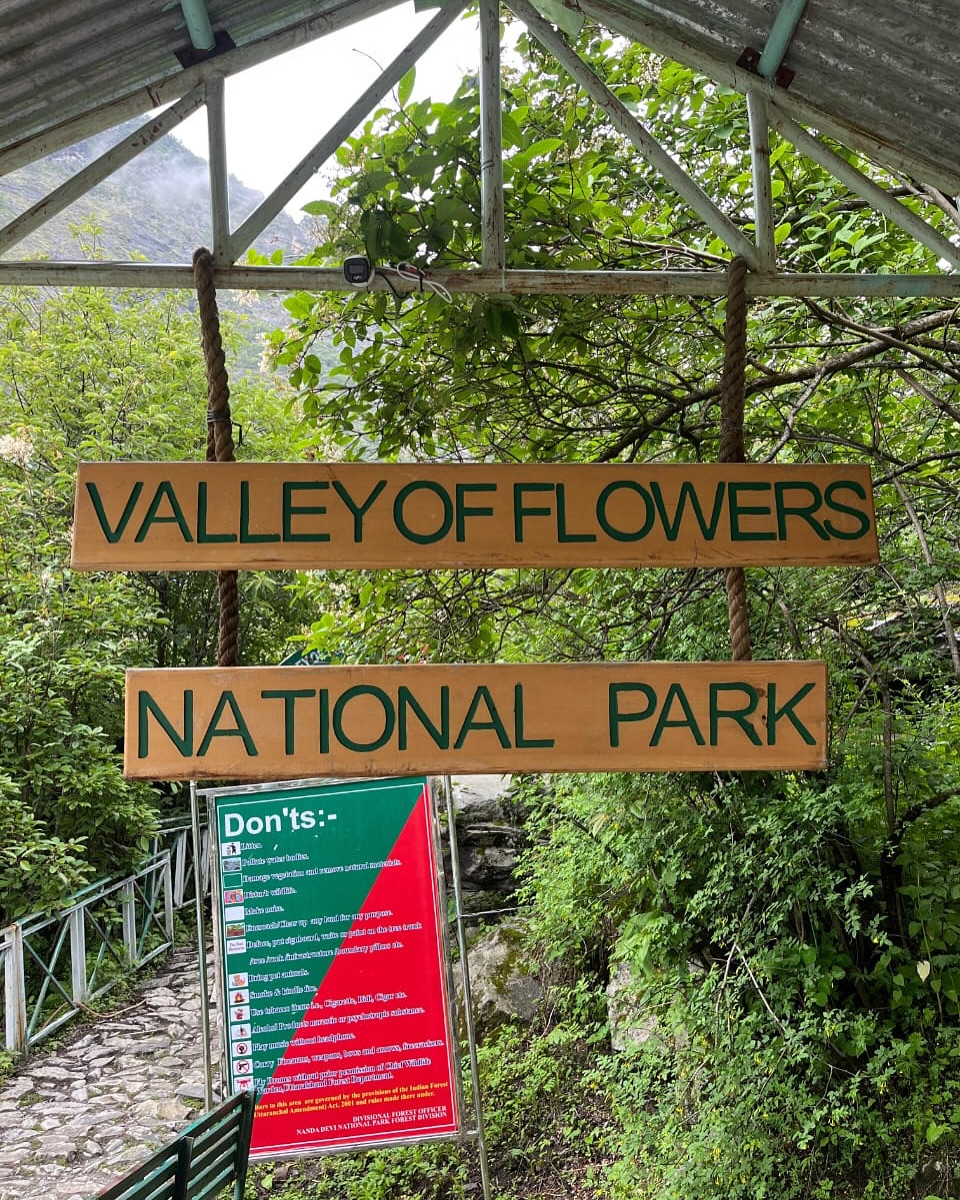
Yes, permits are required to visit the Valley of Flowers National Park, as it is a protected area in Uttarakhand. The park is part of the Nanda Devi Biosphere Reserve, which is a UNESCO World Heritage site, and has specific regulations to preserve its unique biodiversity. Here's what you need to know about the permits:
Entry Permit: To visit the Valley of Flowers, all tourists are required to obtain an entry permit from the Forest Department. The permit is mandatory for entering the park and is issued at the entrance to the Valley of Flowers, which is located near Ghangaria. Visitors can obtain the permit by paying the applicable fees. The fees vary for Indian nationals and foreign tourists. Foreigners usually pay a higher fee than Indian nationals.
Permit Validity: The entry permit is typically valid for a day, and if you plan to visit the park multiple times, you can obtain a new permit each day. However, it's essential to note that the Valley of Flowers is open only during the trekking season, which usually starts in June and ends in early October. The exact dates depend on weather conditions and park regulations.
Restricted Zones: Some areas within the Valley of Flowers are restricted for conservation purposes, and visitors are required to stick to the marked trails. This is to minimize human impact on the delicate ecosystem and to protect the endemic flora and fauna found in the region. Rangers and forest officers are often stationed at key points in the park to ensure that visitors follow the rules.
Guided Trekking: While the entry permit is available on-site, trekkers can also hire a licensed guide for the trek. Guides are often familiar with the terrain and can provide valuable insights into the park’s flora and fauna, which enhances the experience and ensures safety during the trek.
The trek to the Valley of Flowers typically takes around 3 to 4 days, depending on your pace, fitness level, and the specific route you choose. Here’s a breakdown of the typical trekking itinerary:
Day 1: Rishikesh to Joshimath/Ghangaria The journey begins with a drive from Rishikesh to Joshimath, which usually takes around 10-12 hours. From Joshimath, you continue by road to Ghangaria, a small village which serves as the base camp for the Valley of Flowers trek. The road journey can be long, but it offers beautiful views of the mountains and rivers along the way. After arriving at Ghangaria, you’ll check into your accommodation and rest for the night.
Day 2: Ghangaria to Valley of Flowers On the second day, the trek from Ghangaria to the Valley of Flowers takes about 3 to 4 hours one way. The trail is around 4-5 kilometers long and is a moderate hike with an elevation gain. The path passes through lush green forests, cascading streams, and beautiful landscapes, making it a pleasant and scenic walk. Once you reach the entrance of the Valley of Flowers, you can spend a few hours exploring the vibrant meadows and admiring the countless species of flowers. The return trek back to Ghangaria also takes approximately 3 hours.
Day 3: Option to Explore More or Trek to Hemkund Sahib On the third day, you can either take a rest day in Ghangaria or visit Hemkund Sahib, a popular pilgrimage site located at a higher altitude (around 6-7 hours round trip from Ghangaria). Some trekkers prefer to visit both the Valley of Flowers and Hemkund Sahib during their trip, making it a more extended adventure. The trek to Hemkund Sahib is more strenuous than the Valley of Flowers trek but offers a spiritual experience.
In total, the trek to the Valley of Flowers takes about 3 days, with the main hiking activity concentrated on the second day. The trek is moderate in difficulty and offers an unforgettable experience amidst the breathtaking beauty of the Himalayan flora.
The Valley of Flowers trek is considered to be moderately easy and is suitable for beginners who are in good health and have a basic level of fitness. The trek is not extremely difficult, but it does involve walking through hilly terrain and at higher altitudes, which may require some physical effort. Here’s a breakdown of what beginners should expect:
Difficulty Level The overall difficulty of the trek is moderate, meaning that although the terrain is not overly challenging, it can still be demanding due to the gradual uphill climbs and the altitude. The trail from Ghangaria to the Valley of Flowers is well-maintained and has a gradual incline. There are no technical sections or rock climbing, making it accessible to first-time trekkers. However, some level of fitness is required, particularly for beginners who may not be accustomed to hiking at high altitudes.
Trekking Duration The trek to the Valley of Flowers typically takes around 3 to 4 hours to reach the entry point from Ghangaria, with the return trip taking another 3 hours. Beginners who are used to walking or light hiking will find this duration manageable. The total distance is around 4-5 kilometers one way, and the terrain consists mostly of well-marked paths, so you can enjoy the scenic walk without too much difficulty.
Altitude One of the primary considerations for beginners is the altitude, as Ghangaria and the Valley of Flowers are located at an altitude of approximately 3,500 meters (11,500 feet) above sea level. While the altitude may cause mild symptoms of altitude sickness for some, it is not as extreme as some other high-altitude treks. It’s important to stay hydrated, take breaks, and acclimatize at Ghangaria before heading to the Valley of Flowers.
Preparation Beginners should prepare for the trek by engaging in light cardiovascular exercises, such as walking or hiking, leading up to the trip. Regular physical activity will help build endurance and prepare the body for the trek's physical demands. It’s also recommended to consult a doctor before embarking on the trek if you have any health concerns.
Yes, it is possible to visit both the Valley of Flowers and Hemkund Sahib together, and many trekkers opt for this combined trip due to their proximity to each other. Both are located in the Chamoli district of Uttarakhand and are part of the same trekking circuit. However, visiting both in a single trip requires good planning, physical preparation, and time management. Here’s how you can make it happen:
Trekking Itinerary The typical route for visiting both destinations begins at Govindghat, a small town in Uttarakhand. From there, trekkers usually head to Ghangaria, the base camp for both the Valley of Flowers and Hemkund Sahib. The trek to Ghangaria is approximately 10 km from Govindghat, and it takes around 5-6 hours to reach by foot. Once in Ghangaria, you can visit the Valley of Flowers first and then proceed to Hemkund Sahib.
Visit the Valley of Flowers The Valley of Flowers is located about 4-5 kilometers from Ghangaria. It is a moderate 3-4 hour trek that leads to the beautiful national park, where you can explore the stunning alpine flora. The valley is open to visitors from mid-June to mid-September, which is the best time to experience the full bloom of the flowers.
Hemkund Sahib After visiting the Valley of Flowers, you can proceed to Hemkund Sahib, which is located about 6 kilometers from Ghangaria, and the trek to the gurudwara takes around 5-6 hours. Hemkund Sahib is one of the highest gurudwaras in the world, located at an altitude of 4,632 meters. The trek to Hemkund Sahib is more challenging, especially due to the higher altitude and steep climbs. The weather can also be quite cold, even in summer, so proper clothing and preparation are essential.
Yes, there are accommodation options near the Valley of Flowers, although they are somewhat limited due to the remote location of the trek. The nearest base for visitors is Ghangaria, a small village that serves as the starting point for the trek to the Valley of Flowers. Most trekkers opt to stay in Ghangaria before heading out to the valley. Here are some accommodation options available near the Valley of Flowers:
1. Ghangaria Base Camp Ghangaria is the most common place for trekkers to stay before starting the Valley of Flowers trek. There are several guesthouses, lodges, and campsites available in this small village. These accommodations range from budget-friendly options to slightly more comfortable choices. Rooms in these guesthouses typically offer basic amenities such as beds, hot water, and electricity, though the latter may be limited due to the remote nature of the location.
2. Campsites in Ghangaria If you prefer a more adventurous experience, there are several campsites in and around Ghangaria where trekkers can stay. Camping in Ghangaria allows you to enjoy the natural beauty of the area and the serene surroundings. Some campsites provide tents and sleeping bags, while others may offer meals and additional services. Camping is especially popular for those who want to enjoy the natural beauty of the valley before heading out on the trek.
3. Hemkund Sahib Gurudwara Accommodation If you are planning to trek to Hemkund Sahib after visiting the Valley of Flowers, the gurudwara at Hemkund Sahib also offers basic accommodation facilities for pilgrims. However, the accommodation here is very simple and can be quite crowded during peak season, so it’s advisable to carry your own sleeping bag and other essentials if you plan to stay here.
4. Nearby Hotels and Resorts in Govindghat Before heading to Ghangaria, many trekkers opt to stay in Govindghat, a town located about 10 kilometers from Ghangaria. Govindghat has a few basic hotels, lodges, and guesthouses where trekkers can rest before beginning the trek. These options offer a more comfortable stay with better amenities compared to Ghangaria, making it a good choice for travelers who prefer to rest before starting the trek.
The Valley of Flowers, located in the Indian state of Uttarakhand, is not only known for its stunning floral diversity but also for the wide variety of wildlife that inhabits the region. The valley is part of the Nanda Devi Biosphere Reserve, a UNESCO World Heritage Site, and offers an array of animals and birds that can be spotted while trekking. Here’s a glimpse of the wildlife you may encounter:
1. Himalayan Species The Valley of Flowers is home to various Himalayan species, including some that are rare or endangered. The Himalayan Musk Deer, a shy and elusive animal, is occasionally spotted in the valley’s lower regions. You may also come across the Himalayan Black Bear, though it’s generally found at higher altitudes and is rarely seen by trekkers.
2. Snow Leopard Although spotting a snow leopard is rare due to its elusive nature, the Snow Leopard roams in the higher altitudes of the valley. These majestic creatures are incredibly adapted to the harsh, cold conditions of the Himalayas and are one of the region's iconic animals.
3. Himalayan Monal One of the most colorful birds in the region, the Himalayan Monal, is also the state bird of Uttarakhand. Its vibrant plumage, with shades of iridescent blue, green, and red, makes it one of the most striking birds in the valley. You may be lucky enough to spot this beautiful bird during your trek.
4. Bharal (Blue Sheep) The Bharal, also known as the Blue Sheep, is a medium-sized herbivore that can often be seen grazing on the grassy slopes of the valley. Their bluish-grey fur blends well with the rocky terrain, making them harder to spot. However, with patience, trekkers may catch a glimpse of them on the cliffs or meadows.
5. Brown and Black Bears Aside from the Himalayan Black Bear, Brown Bears also inhabit the higher altitudes of the valley. These bears are known to forage in the meadows and are more active during dawn or dusk.
6. Birds and Insects In addition to the Himalayan Monal, the valley is home to numerous bird species, including the Kestrel, Golden Eagle, and Mountain Finch. The valley also has a rich variety of butterflies and other insects that flutter amongst the flowers.
The Valley of Flowers is situated in the breathtaking Nanda Devi Biosphere Reserve, surrounded by several other attractions that are perfect for extending your trip. Here are some nearby destinations you can visit:
1. Hemkund Sahib One of the most revered Sikh pilgrimage sites, Hemkund Sahib is located about 6 kilometers from the Valley of Flowers. The trek to Hemkund Sahib takes you through lush meadows and rugged landscapes. At an altitude of 4,329 meters, this sacred Gurudwara is situated by a crystal-clear lake, and the surrounding snow-covered peaks make it a serene and spiritual place to visit. It’s a popular stop for those who are trekking to the Valley of Flowers and offers a blend of religious significance and natural beauty.
2. Ghangaria Ghangaria is a small village and the base camp for both the Valley of Flowers and Hemkund Sahib treks. This peaceful village offers a great place to rest before heading to these remarkable destinations. You can explore the natural beauty of Ghangaria, where rivers flow through lush greenery, and enjoy the tranquil surroundings before continuing your trek.
3. Nanda Devi National Park Just beyond the Valley of Flowers lies the Nanda Devi National Park, a UNESCO World Heritage Site. It is renowned for its breathtaking alpine meadows, dense forests, and diverse flora and fauna. The park is home to several endangered species like the Himalayan Tahr and the Snow Leopard. It’s a must-visit for nature lovers and wildlife enthusiasts who are keen to explore more of the biodiversity the region offers.
4. Auli Situated about 70 kilometers from the Valley of Flowers, Auli is a beautiful hill station and a popular skiing destination. Known for its snow-capped mountains and panoramic views of the Himalayas, Auli is perfect for those seeking a peaceful retreat amidst the peaks. In the winter, Auli becomes a skiing paradise, while in the summer, it offers lush green meadows and views of majestic peaks like Nanda Devi and Trishul.
Trekking to the Valley of Flowers is an unforgettable experience, but safety should always be a priority, especially when considering solo treks. Generally, solo trekking in the Valley of Flowers can be safe if you take certain precautions and plan ahead.
Firstly, the trek itself is relatively moderate, and the route is well-marked, making it accessible for beginners and solo trekkers. The paths are frequently traveled, especially during the trekking season, so you are likely to meet other trekkers along the way, ensuring some level of support if needed. However, the trail can be challenging in certain sections, and the altitude can also pose risks for some trekkers, particularly those who are not acclimatized.
The area is also within Nanda Devi Biosphere Reserve, which is a protected region, meaning there are restricted entry points and access. As a result, trekkers are required to obtain permits, and the authorities are aware of your presence in the area, which provides a level of security.
Despite these factors, solo trekkers should always remain vigilant and prepared. It's important to inform someone about your plans, including your start and end points, and keep your phone charged with emergency numbers saved. Hiring a guide or joining a trekking group is another option for those who want to reduce risks and feel more secure, especially if it’s your first time in the region.
Additionally, while the region is generally safe, it's essential to be cautious about weather changes, as the conditions can change quickly in the mountains, with potential risks such as sudden rains, slippery paths, or altitude sickness. Having proper equipment, such as suitable footwear, clothing, and first-aid supplies, is vital.
Solo trekking to the Valley of Flowers can be a safe and rewarding experience if you are well-prepared, informed, and take appropriate precautions. Whether trekking solo or in a group, safety should always be your number one priority.


.jpg)
_20250317T151620449Z.jpg)

.jpg)
.jpg)
.webp)
.jpg)
.jpeg)