
Places to visit in Madhmaheshwar
Published on September 15, 2025
Most people research Madhyamaheshwar as a trek. Fewer stop to think about it as a sightseeing route — a string of distinct, camera-worthy stops that each deserve their own moment, not just a tick on a pilgrimage checklist. If you're heading to this fourth Panch Kedar shrine in Rudraprayag district, here's what's actually worth seeing along the way, laid out the way you'll encounter it on the ground rather than as a random list.
That distinction matters more here than on most Himalayan routes. Because there's no road anywhere near the temple, every stop on this list is something you'll arrive at on foot, at your own pace, usually with far fewer people around than you'd find at Kedarnath or even Tungnath. That changes how you experience each place — less about ticking a box, more about actually being there long enough for it to register.
Ukhimath — Where the Circuit Really Opens

Ukhimath isn't just a transit town before the trek begins; it's a sightseeing stop in its own right. The Omkareshwar Temple here is the winter seat of Lord Kedarnath — when snow forces the main Kedarnath shrine to close, the deity is brought down and worshipped at Omkareshwar instead. Walking through its stone courtyards, you get a sense of the region's layered temple architecture without any trekking effort at all.
Beyond the temple, Ukhimath's narrow market lanes are worth an unhurried hour — local woollens, mountain produce, and small tea stalls run by families who've watched generations of pilgrims pass through. Spending your first night here also does double duty: it's your best acclimatisation stop before altitude becomes a factor further up the trail.
Deoria Tal — The View Every Camera Wants

If your route passes anywhere near Sari village, add a couple of hours for Deoria Tal. This alpine lake is famous for one specific thing: on a still morning, it mirrors the Chaukhamba peaks so cleanly that photographs of it barely need editing. It's a gentle, short walk compared to what lies ahead, which makes it a good way to test your fitness, footwear, and camera gear before the real climbing starts.
Locals consider it a sacred spot tied to the Pandavas as well, which adds a layer of mythology to what is already one of the most photographed lakes in this part of Uttarakhand.
Ransi and Gaundhar — Villages That Feel Like Time Capsules
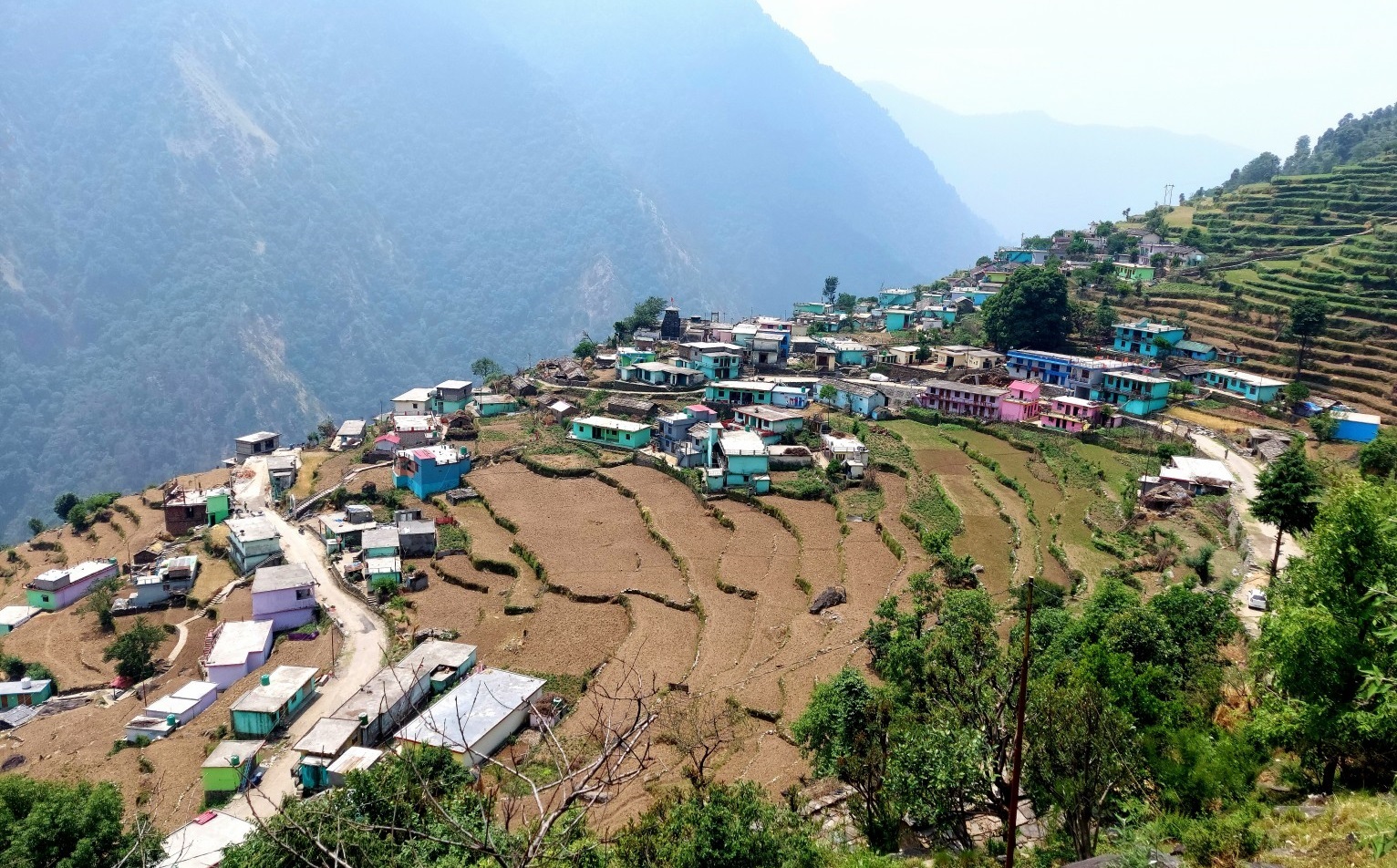
The trek proper begins from Ransi, and the villages you pass — Ransi itself, then Gaundhar further along — are worth slowing down for rather than rushing through. These are working mountain settlements: terraced fields, stone-and-slate roofs, and a pace of life that hasn't changed much despite the seasonal flow of trekkers. Gaundhar in particular sits at a natural resting point, with basic lodges and homestays where you can watch the day's light change over the surrounding ridgelines.
If you're travelling with a guide or local porter, this is usually where you'll hear the most — stories about the trail, the temple's history, and how the route changes with each season. It's an underrated part of the Madhyamaheshwar experience that most itineraries skip past too quickly.
Take a moment here to notice the small details too: prayer flags strung between rooftops, mule trains loading supplies for the higher camps, and the shift from farmland to dense forest as the trail climbs out of Gaundhar. These are the kind of details that don't show up in a packing list but end up being what you remember most clearly afterwards.
Madhyamaheshwar Temple Complex — The Spiritual Centrepiece

After a climb through forest and open meadow from Gaundhar, the trail opens onto the temple complex itself, sitting at roughly 3,497 metres. The main shrine, built in traditional Himalayan stone-and-timber style, is dedicated to the nabhi (navel) of Lord Shiva — one part of the mythological bull form Shiva took to evade the Pandavas, with each part of the body said to have reappeared at a different Panch Kedar location.
Two smaller shrines sit close to the main temple: one for Parvati, Shiva's consort, and another for Ardhanarishwara, the composite half-Shiva, half-Parvati form. Together, the three structures in this open meadow, ringed by snow peaks, make for one of the most visually striking temple settings in the entire Panch Kedar circuit. Because the temple is seasonal — open roughly from Vaishakh Purnima in May through Bhai Dooj in October or November — timing your visit within that window matters more here than at almost any other Himalayan shrine.
Budha Madhyamaheshwar — Sunrise Above the Clouds

This is the stop most sightseeing guides underplay, and it shouldn't be. A steep 2-kilometre climb above the main temple leads to Budha Madhyamaheshwar, and doing it before dawn is non-negotiable if you want the payoff: a near-360-degree, unobstructed view of the Chaukhamba massif, Mandani range, and Kedarnath peaks catching first light.
Because it sits on a lower ridge than the main upper trail, Budha Madhyamaheshwar also stays reachable even when snow closes the final approach to the temple in shoulder-season months, making it one of the more reliable viewpoints on this route regardless of exact timing. Most visitors treat it as a half-day round trip from their base near the main temple, returning in time for a late breakfast.
Kanchani Tal — For Trekkers Who Want More
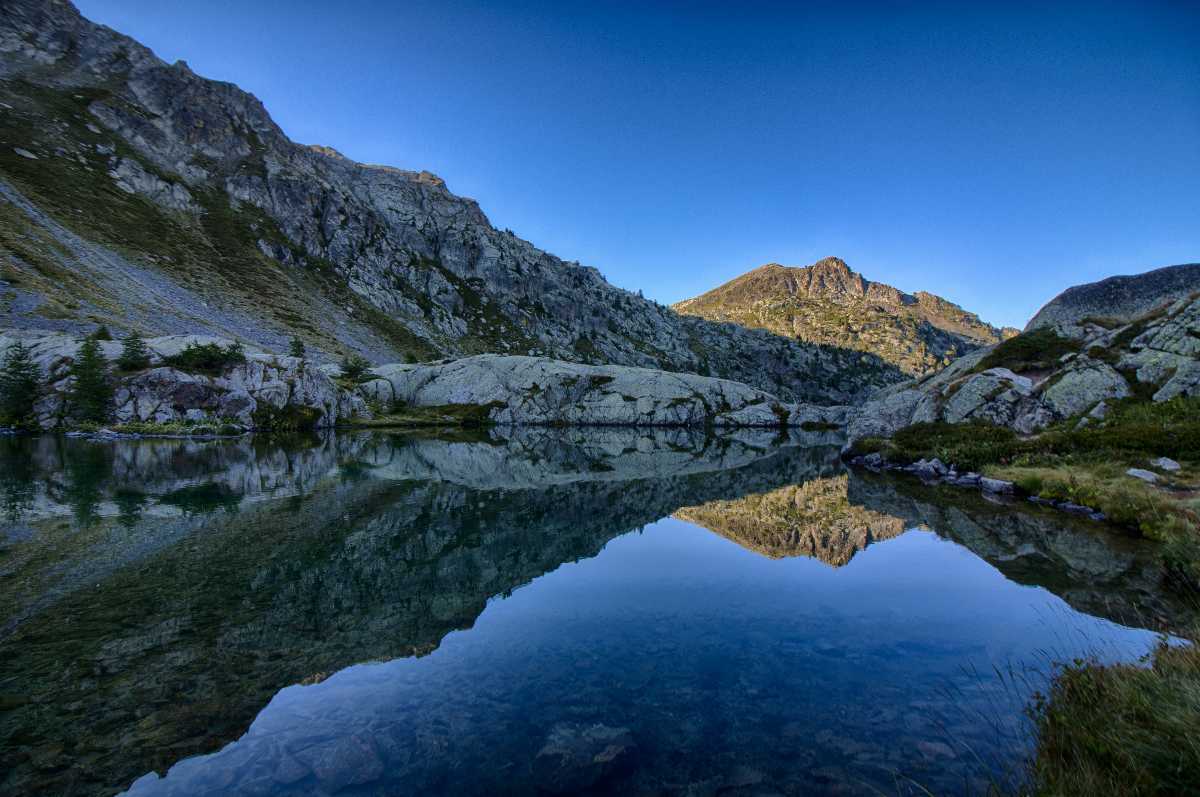
For those with an extra day and some trekking experience, Kanchani Tal is a high-altitude lake roughly 6 kilometres from Madhyamaheshwar. The trail here is graded difficult and isn't part of the standard pilgrimage route, which keeps footfall low and the surroundings largely untouched. It's best suited to trekkers who are already acclimatised and comfortable with rough, unmarked terrain — not a casual add-on for first-time visitors.
Nandikund and Panar Bugyal — Beyond the Beaten Path
Experienced trekkers looking to extend the journey further can continue toward Nandikund and Panar Bugyal, two high-altitude meadows known for expansive Himalayan views and a genuine sense of remoteness. These aren't marked pilgrim trails, so they're best attempted with a local guide or an experienced trekking outfit that knows the route conditions for that season. If your itinerary allows for it, this stretch is where Madhyamaheshwar's reputation as a "trekker's Panch Kedar" really shows.
For the Extra Adventurous: Kanchani Tal and Beyond
If you've got an extra day and some trekking experience, Kanchani Tal — a high-altitude lake about 6 kilometres from Madhyamaheshwar — is worth the effort. The trail is graded difficult and sees far less footfall than the pilgrimage route, which keeps the surroundings noticeably wilder. Those wanting to go further still can push on toward Nandikund and Panar Bugyal, remote alpine meadows that reward the extra distance with some of the most expansive, untouched Himalayan views in the region. Neither is a casual add-on — both are best attempted with local guidance and prior acclimatisation.
None of these three spots appears on a standard pilgrimage itinerary, which is exactly why they're worth mentioning separately. Most people who complete the Panch Kedar circuit never see them, simply because they aren't required stops. If your fitness and schedule allow for the detour, though, they're where Madhyamaheshwar stops feeling like a well-documented trail and starts feeling genuinely unexplored.
Local Culture and Food Along the Trail
Sightseeing here isn't only about landmarks — it's also about what happens between them. In Ukhimath and the villages beyond, meals are simple, seasonal, and almost always home-cooked: dal, rice, local greens, and thick chapatis made over wood fires, occasionally supplemented with mandua (finger millet) rotis that are a Garhwal speciality. Tea stops along the trail double as informal information centres, where porters and homestay owners will happily tell you which stretch of trail is muddy that week or which viewpoint is worth the extra climb.
This is also a region where oral history travels faster than guidebooks. Ask at any homestay in Gaundhar about the temple's legend, and you'll likely get a slightly different version of the Panch Kedar story than the one in print — a reminder that this pilgrimage has been passed down locally for centuries, not just documented for tourists. Taking the time to sit and listen is, in its own way, as much a part of the Madhyamaheshwar experience as any single viewpoint.

What Sets Madhyamaheshwar Apart From the Rest of the Panch Kedar Circuit
Kedarnath draws the crowds. Tungnath offers the shortest, most accessible climb. Madhyamaheshwar offers neither — and that's precisely its appeal. There's no road access anywhere near the temple, so every visitor arrives the same way: on foot, through forest and meadow, with no shortcuts available. That single fact keeps the entire route quieter, the villages more genuine, and the final views at Budha Madhyamaheshwar feel genuinely earned rather than handed to you.
Best Time to Catch These Views
- May–June: Cooler days, blooming rhododendrons on the lower trail, and generally clear morning skies — ideal for the Deoria Tal reflection shot.
- July–August: Monsoon months bring slippery trails and higher landslide risk across the region; best avoided for a sightseeing-focused trip.
- September–October: The sharpest, clearest mountain views of the year, particularly from Budha Madhyamaheshwar at sunrise — widely considered the best window for photography.
Quick Sightseeing Checklist
- Omkareshwar Temple, Ukhimath — half-day, no trekking required
- Deoria Tal — 2–3 hour detour near Sari village
- Ransi and Gaundhar villages — worth a slow walk-through, not just a stopover
- Madhyamaheshwar Temple complex — the core pilgrimage stop
- Budha Madhyamaheshwar — pre-dawn climb, best sunrise viewpoint on the route
- Kanchani Tal / Nandikund — optional extensions for experienced trekkers
Frequently Asked Questions
1. What's the best spot for photography around Madhyamaheshwar?
Budha Madhyamaheshwar, hands down. The pre-dawn climb rewards you with a near-360-degree view of the Chaukhamba massif, Mandani range, and Kedarnath peaks lit up in first light — it's the single most photographed viewpoint on this route.
2. Is Deoria Tal actually on the way to Madhyamaheshwar, or a separate trip?
It's a short detour near Sari village on the way to Ukhimath, not directly on the Madhyamaheshwar trail itself. Most travellers add a couple of hours to their journey to include it before continuing.
3. How many days do I need to cover all the sightseeing spots mentioned here?
Covering Ukhimath, Deoria Tal, Ransi, Gaundhar, the temple complex, and Budha Madhyamaheshwar comfortably takes about 5–6 days round trip. Add a day or two more if you want to extend to Kanchani Tal or Nandikund.
4. Can I visit Kanchani Tal and Nandikund without prior trekking experience?
It's not recommended. Both trails are graded difficult, see far less footfall than the main pilgrimage route, and are best attempted with local guidance and some acclimatisation already behind you.
5. What's worth seeing in Ukhimath itself before the trek starts?
The Omkareshwar Temple — the winter seat of the Kedarnath deity — along with Ukhimath's local market lanes, are both worth a few unhurried hours before you head further into the mountains.
6. Does Budha Madhyamaheshwar stay open even when the main temple trail is snowed in?
Yes. Sitting on a lower ridge than the final approach to the main temple, it generally stays reachable during shoulder-season months when snow can close the upper stretch.
Final Word
Treat Madhyamaheshwar as a sightseeing route and not just a pilgrimage checklist, and the trip changes completely — every stop, from a quiet temple courtyard in Ukhimath to a sunrise ridge above the clouds, has its own reason to slow down. It's a trip best not rushed, and best not attempted without knowing the route conditions for that season.
Planning to see all of this yourself? [Book Your Madhyamaheshwar Trek Package →] and get the route, stays, and permits handled so you can focus on the views.
Helpful Resources for Trek Planning:
- Trekking in Uttarakhand: Routes, Difficulty, Best Time & Tips
- Buda Madmaheshwar Complete Guide 2026
- Madmaheshwar vs Kedarnath Trek: Which One Should You Choose in 2026?
- Madmaheshwar vs Tungnath Trek
- Madmaheshwar vs Rudranath Trek
- Madhyamaheshwar Yatra 2026:Complete Guide
- Madmaheshwar Trek in Monsoon – Landslide Risk & Tips (2026 Complete Guide)


